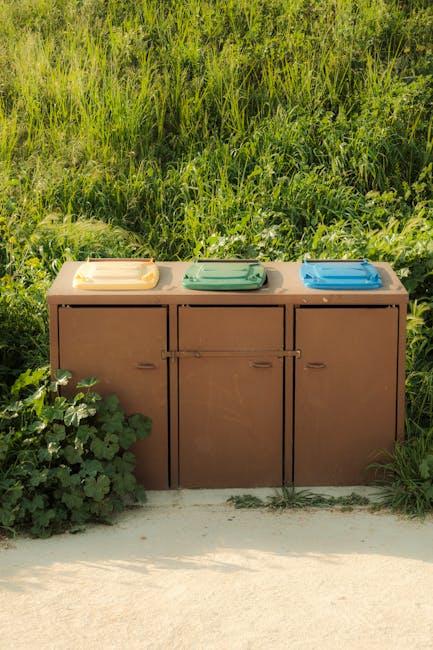
Large Garden Waste & Shed Disposal Options in Osidge
Posted on 02/06/2026
Large Garden Waste & Shed Disposal Options in Osidge
If your garden has turned into a small woodland of broken fence panels, old shed timber, hedge cuttings, and half-forgotten stuff that somehow survived three winters, you are not alone. Large Garden Waste & Shed Disposal Options in Osidge are something many households eventually need, and usually sooner than they expected. A shed collapse, a garden clear-out before landscaping, or simply years of piled-up debris can quickly become too much for a couple of bin bags and a hopeful trip to the kerb.
This guide breaks down the practical ways to deal with bulky garden waste and shed materials in Osidge, what tends to work best in real life, and how to avoid the common headaches that come with heavy lifting, awkward access, and mixed waste. You will also find a clear checklist, a comparison table, and a few locally sensible tips so you can make a decision without the usual faff.
Why Large Garden Waste & Shed Disposal Options in Osidge Matters
Large garden clearances are different from everyday tidy-ups. A few plant trimmings are one thing; a dismantled shed, rotted fence slats, old shelving, soil bags, and damp timber are something else entirely. The volume grows fast, the weight adds up, and the waste is often awkward to sort. In a place like Osidge, where homes can have side access, narrow paths, shared drives, or tight front gardens, the logistics matter just as much as the waste itself.
It also matters because garden waste is rarely just "green waste". A shed clearance often includes treated wood, metal fixings, roofing felt, plastic sheeting, old tools, and sometimes items you would rather not discover at the bottom of the pile. That mix needs a sensible plan. If you tackle it poorly, you can end up with half-finished piles sat in the garden for days, extra manual handling, or unnecessary trips back and forth. Not fun. Not efficient either.
There is a sustainability angle too. Sorting materials properly means more can be reused or recycled, and less ends up in the wrong place. If you are already thinking about decluttering elsewhere in the home, it can be useful to read guidance on decluttering wisely for a seamless move because the same logic applies outside in the garden: separate what stays, what goes, and what needs careful handling.
How Large Garden Waste & Shed Disposal Options in Osidge Works
In practice, there are usually four main ways to deal with bulky garden waste and old shed materials in Osidge. The right option depends on the amount of waste, access to your property, whether the shed needs dismantling, and how much time or physical effort you want to spend.
Option one is a DIY approach. You dismantle the shed yourself, sort the waste, load a vehicle, and take everything away in several trips. This can work for very small jobs, especially if the shed is already partly broken down and you have a suitable vehicle. The downside is obvious: it is tiring, it can be messy, and the wrong kind of waste can easily get mixed together.
Option two is local waste services or council-led routes. These can be suitable for smaller garden loads, but bigger shed disposals often go beyond what is practical for ordinary bin collections. Availability and rules can vary, so you would want to check carefully before assuming a large pile can simply be collected as-is.
Option three is a pre-booked removal or man-and-van style collection. This is often the sweet spot for many Osidge households. A team arrives, assesses the load, lifts the heavy bits, removes the shed materials, and clears the garden in one go. If you are already dealing with a move or major declutter, it can fit nicely alongside services like man and van support in Osidge or broader removal services in Osidge.
Option four is to combine disposal with temporary storage or staged removal. That helps if you are clearing a garden before landscaping, moving house, or waiting for a builder. In some situations, part of the shed contents may need sorting indoors first. If that sounds familiar, a quick look at storage in Osidge may be useful for the items you are not ready to throw away yet.
However you approach it, the basic process is the same: identify the waste, separate it, decide what needs dismantling, and choose the removal method that fits the scale. Simple enough in theory. In reality, a rusted hinge or waterlogged panel can turn into a small drama pretty quickly.
Key Benefits and Practical Advantages
The best disposal option is not just about getting rid of rubbish. It is about making the job safer, faster, and less disruptive to the rest of your week.
- Less physical strain: Heavy shed panels, wet timber, and old paving edging can be awkward and exhausting to move without help.
- Cleaner garden space: Clearing old clutter opens up room for planting, repairs, or simply enjoying the space again.
- Better sorting and recycling: Materials can be separated more thoughtfully when the job is planned properly.
- Faster project progress: Garden renovations, fencing work, or shed replacement can begin without the old structure getting in the way.
- Reduced risk of damage: Dragging timber through narrow side access or over paving can damage surfaces if you are not careful.
There is also a psychological benefit people underestimate. A cluttered garden can quietly become one of those things you avoid looking at. Then, one day, it is the first thing you see when you open the back door. Clearing it properly can feel surprisingly freeing. A bit of a reset, really.
If your garden waste is part of a bigger household clear-out, it may help to think in moving terms as well. For example, heavy pieces and awkward items are easier to deal with when you already have a plan for loading and handling. That is one reason articles like refining solo heavy lifting techniques and packing dos and don'ts can be unexpectedly helpful, even if you are not moving house.
Who This Is For and When It Makes Sense
This kind of disposal service is useful for all sorts of people in Osidge. The common thread is usually bulk, weight, or awkward access.
- Homeowners replacing an old shed: If the old structure must come down before the new one goes in, you need a clean removal path.
- People preparing for landscaping: Before laying turf, paving, or decking, the old clutter has to go.
- Landlords and letting agents: A garden that has accumulated years of debris can slow down re-letting.
- Families doing a spring clean: It is common to find old pots, compost bags, broken furniture, and shed leftovers all at once.
- Older residents or busy households: When lifting and dismantling would be difficult or time-consuming, help makes sense.
It also makes sense when the job is slightly bigger than you first thought. That happens all the time. You start with "just a few panels" and then discover the rotten bench, the cracked planter, three bags of soil, and a bicycle wheel that nobody can explain. Truth be told, that is garden clear-out life.
If the property has tight stair access, parking challenges, or awkward frontage, a local team familiar with Osidge can save a lot of running around. For related movement planning, you may also find these Osidge access tips for stairs, parking and lifts useful, especially where carrying materials through a property is involved.
Step-by-Step Guidance
Here is a practical way to handle large garden waste and shed disposal without making the day harder than it needs to be.
- Walk the site first. Look at the shed, the garden path, any side access, and where waste will be stacked. Check for broken glass, nails, or loose boards.
- Separate the waste by type. Put green waste, untreated timber, treated timber, metal, plastic, and mixed debris into separate groups where possible.
- Identify hazardous or awkward items. Old paint tins, roofing materials, sharp fixings, or anything that may contain chemicals should be handled carefully and not mixed casually with general garden waste.
- Decide whether the shed needs dismantling. If the structure is unstable, do not just start pulling panels off at random. Work methodically, from top to bottom, and support the frame as needed.
- Measure the load roughly. You do not need engineering precision here. Just know whether you are dealing with one van-load, several van-loads, or more.
- Choose the right disposal route. Small, light jobs may suit DIY removal. Larger jobs, or anything with mixed material and heavy lifting, are often better handled by a removal team.
- Clear access before lifting day. Move cars, bins, garden furniture, and anything else that blocks the route.
- Load in a sensible order. Heavy boards and awkward pieces should go in first, with lighter material packed around them so nothing shifts in transit.
- Final sweep and check. Look for screws, nails, splinters, and anything left behind under the shed footprint or along the path.
A good rule of thumb: if you keep stopping to ask, "Can I safely lift this on my own?" the answer is probably no. And that is fine. Better to pause than to end up with a sore back or a cracked paving slab.
If you are already in move-out mode, the same sequencing helps indoors too. A tidy, structured approach to the whole property usually saves more time than rushing. Planning your pre-move cleaning properly can make the outdoor clearance feel much more manageable.
Expert Tips for Better Results
These are the small things that often make the biggest difference.
- Remove loose fixings early. Screws, brackets, hinges, and old bolts add weight and create snag points. Bag them separately.
- Keep wet waste apart if possible. Soaked cardboard, damp compost, and saturated timber can be far heavier than they look.
- Cut long timber down to manageable lengths. It is easier to carry, safer to stack, and less likely to catch on walls or railings.
- Protect paths and thresholds. A sheet of plywood or sturdy floor protection can stop scuffs if you are moving heavy items through narrow access.
- Use a two-person lift for awkward panels. Even a light panel can twist unexpectedly in a breeze. Yes, really.
- Time the job for dry weather where possible. Wet ground, slippery boards, and muddy shoes make everything slower.
One small local observation: in early morning or late afternoon, Osidge side paths can feel deceptively tight because of shadows and low light. It sounds trivial, but it is easier to miss a loose slab, a trip edge, or a rusty nail when visibility dips. A torch or headlamp can save a lot of fuss.
When lifting is involved, use calm, steady movements rather than trying to "power through" in one go. If you need a refresher on good handling habits, the article on kinetic lifting and movement technique gives a useful way of thinking about balance and body mechanics.

Common Mistakes to Avoid
A lot of shed and garden waste disposal problems come from rushing. Not from the amount of waste itself.
- Mixing everything together: Once metal, timber, green waste, and general rubbish are all piled together, sorting becomes much harder.
- Underestimating weight: Old soil, wet wood, and redundant shed bases can be far heavier than expected.
- Breaking the shed down without a plan: If the structure is leaning or partly rotten, random dismantling can be risky.
- Leaving nails and screws in place: These are small, but they cause punctures, scrapes, and annoying delays.
- Forgetting access constraints: A large pile may be easy to form and difficult to move if your route is narrow or shared.
- Assuming all garden waste is the same: It is not. Treated wood and mixed builder-style debris are not handled the same way as clean hedge cuttings.
Another common one: people clear the shed but forget the footprint. The base, the edging, the old slabs, or the last corner of rotten timber stays there like a stubborn little monument to unfinished jobs. That bit matters too, because it can block the next stage of the project.
Tools, Resources and Recommendations
You do not need a workshop full of gear, but the right basics make a huge difference.
- Work gloves: Useful for splinters, sharp nails, and rough timber.
- Safety glasses: Especially handy if you are cutting screws, prying panels, or dealing with brittle materials.
- Claw hammer or pry bar: Helpful for removing nails and lifting boards without excessive force.
- Heavy-duty rubble sacks or builder bags: Better than thin bags that split under weight.
- Wheelbarrow or sack truck: A simple way to move waste from the back garden to the front without repeated heavy carrying.
- Tarpaulin: Handy for keeping sorted waste dry or protecting a loading area.
- Measuring tape: Useful when checking panel size, access width, or vehicle loading space.
For households combining garden clearance with a bigger home move, a few linked habits can help. For instance, the tips in streamlining and simplifying your house move can be adapted to outdoor work as well: group tasks, keep pathways clear, and do not mix disposal stages if you can avoid it.
Where heavier items need moving through the property, it is worth thinking about vehicle access and lifting strategy in advance. That is where removal van support in Osidge can become part of a sensible plan rather than a last-minute scramble.
Law, Compliance, Standards, or Best Practice
For garden waste and shed disposal in the UK, the key point is simple: waste should go to the right place and be handled responsibly. You do not need to become a compliance expert overnight, but you do need to avoid careless disposal. Fly-tipping, leaving waste on public land, or handing materials to an unverified collector can create real problems later.
Best practice is to keep a clear record of what is being removed, separate materials where possible, and use a responsible disposal route. If a structure is unsafe, or if there are items that could be contaminated, treated, or sharp, a cautious approach is the right one. For example, old roofing felt, paint residue, or chemical containers should not be treated like simple hedge trimmings.
If you are using a professional removal team, it is sensible to ask how mixed waste is handled, whether they recycle where possible, and how they approach heavy lifting and safe loading. That is not being awkward. It is just good judgement.
Health and safety matters too. The physical side of shed disposal can involve splinters, cuts, awkward postures, repetitive lifting, and unstable panels. If you want a sense of the standards a responsible team should follow, a look at their health and safety policy and insurance and safety information is a sensible move before you book anything.
Options, Methods, or Comparison Table
Different disposal routes suit different situations. Here is a plain-English comparison.
| Option | Best for | Strengths | Trade-offs |
|---|---|---|---|
| DIY disposal | Small loads, simple garden waste | Flexible, low upfront spend, good for minor jobs | Time-consuming, heavy lifting, several trips, sorting is on you |
| Mixed waste collection | Moderate clearances, shed dismantles, bulky garden rubbish | Convenient, faster, less manual effort | Needs accurate load assessment and proper preparation |
| Staged removal with storage | Moves, renovations, or phased clear-outs | Lets you sort carefully, avoids rushed decisions | Takes longer and needs organisation |
| Full-service removal | Large, heavy, awkward, or access-restricted jobs | Least stress, good for complex loads, efficient on the day | Requires booking and clear communication about the job |
If the shed is part of a bigger home change, full-service help often wins because it removes guesswork. For example, if you are already coordinating furniture, boxes, or storage, you can keep one plan instead of three half-finished ones. That is usually where the real value sits.
Case Study or Real-World Example
Here is a realistic example based on the sort of job many Osidge households face.
A family decides to replace a tired timber shed that has been slowly leaning since last winter. Inside are old plant pots, cracked shelves, a rusted bike frame, and a stack of damp boards that have gone soft at the edges. At first glance it looks like a small job. Then they start sorting, and the pile grows. There is no good space to break everything down on the driveway, and the side access is narrow enough that carrying long boards becomes awkward fast.
Instead of forcing the issue over two or three weekends, they first separate the contents into green waste, reusable items, and broken materials. They keep the metal aside, bag the small debris, and take photos of the shed footprint to help plan the final clearance. Then they arrange a removal visit so the bulky parts can be taken away in one pass. The result is a cleaner garden, fewer trips, and far less stress. Simple, really.
What makes that approach work is not magic; it is sequence. They did not start lifting before sorting, and they did not assume every item would be treated the same. That is the part people often miss.
Practical Checklist
Use this before you start the clearance.
- Inspect the shed and note any instability
- Clear the area around the structure
- Separate green waste, timber, metal, plastic, and general rubbish
- Remove loose fixings, screws, and brackets
- Check for sharp edges, nails, or hidden broken glass
- Measure access paths and gate widths
- Decide what can be lifted safely by one person and what cannot
- Choose whether disposal will be DIY, staged, or fully handled
- Protect paths and loading areas if needed
- Do a final sweep for stray fixings and debris
If you are balancing this with a larger property move, the advice in moving beds and mattresses efficiently can be surprisingly relevant, because the same planning mindset helps with bulky, awkward loads.
Get a free quote today and see how much you can save.
Conclusion
Large garden waste and old shed disposal in Osidge is one of those jobs that looks manageable until you are halfway into it. Then the weight, the mess, the access issues, and the sheer number of different materials all arrive at once. A little structure goes a long way. Sort first, lift carefully, and choose a disposal method that fits the true scale of the job rather than the hopeful version of it.
For some people, DIY is enough. For others, the better answer is a properly planned removal service that can deal with bulky waste, awkward boards, and tight access without drama. Either way, the goal is the same: a clear, usable garden and one less thing hanging over your head. And honestly, that first clean view of the space can feel very good on a quiet evening.
There is something reassuring about finishing a job like this properly. The garden breathes again, and so do you.