Barnet Council Removals Permits for Osidge Explained
Posted on 22/06/2026
If you are moving in or out of Osidge, the last thing you want is a van parked where it should not be, a frustrated neighbour looking out of the window, or a driver circling the block because the space you counted on has gone. That is exactly why Barnet Council removals permits for Osidge explained matters. In plain English, the right parking arrangement can make the difference between a calm move and a messy one. And to be fair, most people only think about it when the boxes are already stacked by the front door.
This guide walks through what these permits usually mean in practical terms, when they matter, how to plan around them, and how to avoid the common mistakes that slow moves down. You will also find a checklist, a comparison table, and a realistic example from an Osidge-style moving day. If you are also getting your packing sorted, you may find it useful to read our guide on the dos and don'ts of packing for a move alongside this one.

Why Barnet Council Removals Permits for Osidge Explained Matters
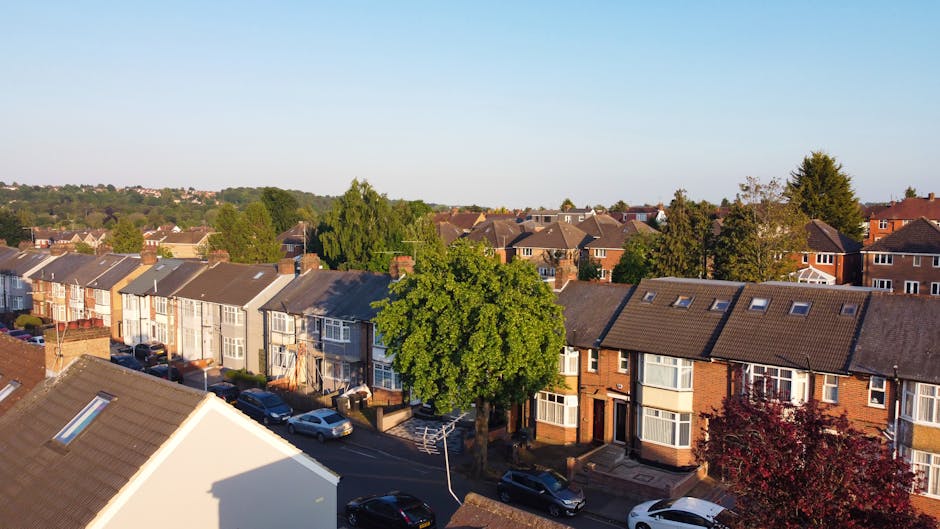
Osidge is one of those areas where moving logistics can look simple on paper and then become a bit fiddly in real life. Roads may be narrow, parking can be limited, and some streets have resident bays, yellow lines, timed restrictions, or access issues that make "just stop outside" a risky plan. If your removals vehicle cannot park close enough, every extra metre matters. You feel it in your back, in your schedule, and in the general mood of the day.
A removals permit, suspension, or similar parking arrangement is there to reduce that risk. It helps create a legal, usable space for the van and gives the moving crew room to work safely. Without it, you may face delay, stress, or even a parking penalty if the vehicle stops somewhere it should not. Nobody needs that on moving day, least of all when there is a mattress on the pavement and someone is asking where the kettle went.
For local moves around Osidge, the issue is not just parking itself. It is timing, access, neighbours, building layouts, and the nature of your belongings. A flat move in a busy street has different needs from a family house move with a long driveway, and both are different again from a student move where the van may only need a short loading window. That is why a local plan matters more than a generic checklist.
There is also a trust angle here. When a mover talks you through the parking plan in advance, it usually means they understand the area and are thinking beyond the basics. That kind of preparation can save a surprising amount of hassle. It is not glamorous, but it is exactly the sort of thing that makes a removal day feel under control.
How Barnet Council Removals Permits for Osidge Explained Works
The exact process depends on the street, the type of parking restriction, and whether any special permission is needed for the date and time of your move. In simple terms, you need to work out whether the removal van can legally stop where it needs to stop, and if not, what arrangement is required to make that possible.
In practice, there are usually a few moving parts:
- Parking rules on your street - for example, resident bays, shared-use bays, yellow lines, or loading restrictions.
- Vehicle size and stopping time - a large removals van may need more space than a small man and van vehicle.
- Loading access - whether the crew can safely carry items from the property to the vehicle without blocking a walkway.
- Time of day - peak traffic or school-run hours can turn a simple job into a slower one.
- Local permissions - where a council-managed bay suspension or parking dispensation may be required.
One thing to remember is that a removals permit is not always the same thing as a parking bay suspension. People often use the terms loosely, but they can mean different arrangements depending on the street and the council process. That is why it helps to look at the parking position early rather than assuming it will sort itself out on the day.
If your move involves a flat or a property with tight access, it can also be worth checking whether a second person is needed for carrying furniture, or whether the van should be positioned for a quicker turnaround. In more complex moves, the right vehicle choice matters too. Our guide to the best times to book a van in Osidge N14 is useful if you are trying to avoid the busiest slots.
And yes, it can sound bureaucratic. But once you have the access plan sorted, the rest of the move tends to feel much lighter. The van arrives, loading starts, and the whole thing has a rhythm to it.
Key Benefits and Practical Advantages
Getting the parking side right brings very real advantages, especially in a place like Osidge where access can be tighter than people expect.
- Less delay - the crew can begin loading without circling for a space.
- Safer handling - fewer long carries means lower risk of damage to furniture, walls, and flooring.
- Lower stress - there is less pressure on move day, which everyone appreciates by 9am.
- Better timekeeping - the schedule is easier to control when the van is parked properly.
- Reduced risk of penalties - legal parking matters, even for a few minutes.
- Smoother neighbour relations - nobody enjoys a van blocking the street for no reason.
There is also a small but important comfort benefit. When the van is near the entrance, fragile items are easier to manage and big furniture is less likely to snag on door frames, steps, or the corner of a hallway. If you have ever watched a sofa do the awkward sideways shuffle through a narrow path, you will know exactly what I mean.
For people who are moving from a flat, permit planning can make even more of a difference. Tight stairwells, limited lift access, and short stopping spaces all add up. If that sounds familiar, our page on flat removals in Osidge may help you think through the access side alongside the parking side.
Who This Is For and When It Makes Sense
Not every move in Osidge will need a council permit or formal parking arrangement, but many do. The key is knowing when it is worth checking before the day gets busy.
This matters most if you are:
- moving from or to a street with controlled parking bays
- living on a road where there is little or no off-street parking
- using a larger van that cannot fit neatly in a small bay
- moving bulky furniture, appliances, or specialist items
- doing a same-day move where timing is tight
- working around stair access, lifts, or a property with no easy loading point
- arranging an office or business move in a busier area
If you are a student or moving a lighter load, you may still need the same level of planning. The number of boxes is smaller, sure, but parking problems do not care whether you are carrying a desk, a bed, or just a lot of very determined cardboard.
This is also sensible for anyone moving near Southgate, Oakwood, or similar local routes where streets can get busier at particular times. The parking challenge is often more about geography and timing than about distance. A move of only a few streets can still turn into a headache if the van cannot stop close enough.
When a move is more specialised, such as moving an upright piano or heavy furniture, the access question becomes even more important. It is worth reading how moving a piano can hit all the wrong notes if you need a reminder that one awkward carry can change the whole day.
Step-by-Step Guidance
Here is a practical way to handle Barnet Council removals permits for Osidge without overcomplicating it.
- Check the street conditions early. Look at the parking bays, any yellow lines, signs, permit holder restrictions, and the likely space the van will need.
- Measure the access. Think about where the van would stop, how far items would need to be carried, and whether there are steps, corners, or barriers.
- Confirm the moving vehicle size. A small van, a mid-size removal van, and a larger lorry all create different access needs.
- Work out the move window. Pick a realistic time slot. Early morning can be kinder on parking and traffic, though not everyone loves the alarm clock. Fair enough.
- Decide whether a permit or suspension is needed. If the vehicle will need a formal loading spot or a bay held for the move, plan that in advance.
- Prepare the property. Boxes packed, furniture dismantled if needed, hallways cleared, and children or pets safely out of the way.
- Keep a backup plan. If your first parking option falls through, have a second plan for loading distance, waiting time, or alternate access.
A small but useful tip: take photos of the street and the intended loading area a few days before the move. It sounds almost too simple, but those pictures can help you judge whether a van can fit properly or whether you are guessing. Guessing is overrated on moving day.
And if you are trying to reduce the volume of what you move, take a look at decluttering wisely for a seamless move. Fewer items usually means less loading time, which can make parking arrangements easier too.
Expert Tips for Better Results
A few small adjustments can make a noticeable difference. They are the sort of things experienced movers notice straight away, but many first-time movers only discover the hard way.
- Plan the van position around the front door, not the other way round. If the ideal bay is a little farther down the road but forces a long carry, it may not actually be the best choice.
- Leave a buffer in your schedule. Even a well-planned move can be slowed by traffic, a delayed lift, or a neighbour asking for one more minute.
- Pack a "first out, last in" box. Keep documents, chargers, snacks, toiletries, and a kettle set handy so the day does not become a scavenger hunt.
- Protect flooring near the exit. More trips in and out means more wear at the threshold.
- Tell your mover about awkward access before booking. Stairs, narrow turning points, and parking limits are not little details. They shape the whole job.
In our experience, the best moves are the ones where the moving team knows the street almost as well as the property itself. That is especially true in Osidge, where a small difference in parking can change the load speed quite a lot.
If you are moving a bed, mattress, or bulky household furniture, you may also want to prep those items first. See how to efficiently move your bed and mattress and furniture removals in Osidge for more practical background.
Common Mistakes to Avoid
Most permit-related problems are not dramatic. They are small planning misses that stack up. Annoying, but avoidable.
- Leaving parking to the day of the move. By then, your options are narrower and everyone is already under pressure.
- Assuming a van can stop anywhere for a few minutes. That assumption has ended many a peaceful morning.
- Forgetting about loading time. A quick park is not the same as a quick move.
- Choosing the wrong vehicle size. Too small and you need extra journeys. Too big and parking becomes a problem.
- Not checking building rules. Some flats and managed properties have separate access or parking expectations.
- Ignoring weather and daylight. A wet pavement or a dark winter evening can make carrying slower and riskier.
- Leaving heavy items until the last minute. That just increases the chance of rushed lifting and mistakes.
One classic error is thinking the van only needs space at the start. In reality, it may need stable, predictable access throughout the loading period. If the vehicle must move every ten minutes because a bay is shared or restricted, the whole move can drag out. Not ideal.
If your move includes extra-disruptive items or unusual access, it is worth revisiting your options before the day arrives. A little awkwardness is normal. Total chaos is not.
Tools, Resources and Recommendations
You do not need a full operations manual to organise a good move, but a handful of practical tools can make a real difference.
- Street photos - useful for checking bay width, signs, and turning space.
- Floorplan or rough sketch - helpful for planning furniture flow and where to stage items.
- Inventory list - good for matching load size to vehicle choice.
- Box labels - saves time when unloading and reduces the need to hunt for essentials.
- Protective materials - blankets, straps, bubble wrap, and mattress covers keep things simpler in transit.
- Notebook or moving app - whatever you actually use. The best tool is the one you remember to open.
For people who want a more complete moving plan, streamlining and simplifying your house move is a useful companion read. It covers the practical side of getting the whole process under control, not just the parking.
It is also sensible to think about storage if the move is staggered or the new property is not fully ready. A temporary storage arrangement can reduce pressure and make access easier on the day. You can look at storage in Osidge if that scenario sounds familiar.
Law, Compliance, Standards, or Best Practice
Parking controls, loading restrictions, and council-managed bays are there for a reason. Even when a removal feels temporary, the vehicle still has to comply with the local parking rules that apply at that location and time. That means reading signs carefully, understanding whether loading is allowed, and making sure any special permission is in place before the van arrives.
Best practice in removals is straightforward: do not rely on assumptions, do not block access routes, and do not leave drivers guessing. The moving team should know where it can stop, how long it can stay, and whether a formal arrangement is needed. If you are unsure, ask early. A short conversation now is easier than sorting out a penalty or a last-minute relocation later.
There is also a safety angle. Good access planning reduces manual carrying distance and lowers the chance of trip hazards, collisions, and rushed lifting. That matters for your belongings and for the people doing the work. When people are carrying a washing machine or a wardrobe down a tight path, the margin for error is tiny.
For general moving safety, it is sensible to work with a mover that can explain their approach clearly. Our pages on health and safety policy and insurance and safety give you a sense of the standards that responsible movers should be thinking about.
Options, Methods, or Comparison Table
Different moves call for different access strategies. Here is a simple comparison to help you decide what is most practical.
| Option | Best for | Pros | Possible drawback |
|---|---|---|---|
| No special parking arrangement | Quiet roads, off-street parking, short loading distance | Simple and fast if it fits the street | Risky if spaces are limited or restricted |
| Informal loading plan | Light moves, short stop, straightforward access | Flexible and usually easy to organise | May not protect a space if the street is busy |
| Council parking permission or bay suspension | Tight streets, busy times, larger vans | More predictable access and less delay | Needs more planning and timing |
| Alternative loading point nearby | Streets with severe restrictions | Can still keep the move moving | Longer carries and more labour |
As a rule of thumb, if the van is larger, the street is tighter, or the access is awkward, a formal arrangement becomes more attractive. If the move is small and the road is forgiving, a lighter-touch approach may be enough. It is not about being overcautious; it is about matching the plan to the street.
Case Study or Real-World Example
Picture a fairly typical Osidge move: a couple moving out of a first-floor flat on a road with limited parking and a narrow front approach. They have a sofa, bed frame, mattress, several boxes of books, a dining table, and a freezer that has to be handled carefully. The property itself is fine, but the street is busy from around school-run time onwards.
In the first version of the plan, they assumed the removal van would "just stop outside." Sensible in theory, maybe. In practice, the nearest usable bay was already occupied, and the only free space was too far away to make loading efficient. That would have meant several long carries, more time on the pavement, and a lot more chance of damage.
They changed the plan the week before. The load was packed more carefully, the large items were pre-dismantled where possible, and the van was booked for an earlier slot. The moving team arrived with a clearer idea of the parking position, and the day ran much more smoothly. Nothing magical happened. No dramatic heroics. Just better preparation.
The biggest difference was psychological, honestly. The clients stopped worrying about whether the van would fit and focused on the move itself. That calm matters. You can hear it in the room, in a way. Less frantic talking, less running back and forth, more steady progress.
If your own move includes tricky access, stairs, or a long carry from van to door, it is worth reading our guide to Oakwood and Osidge moves, stairs, parking and lifts as well.
Practical Checklist
Use this checklist to keep your move on track.
- Confirm the moving date and time early
- Check the street parking restrictions near both properties
- Decide whether a formal parking arrangement is needed
- Choose the right size vehicle for your load
- Measure or estimate the carry distance from van to door
- Prepare permits, bay suspensions, or alternative loading plans in advance
- Pack fragile items securely and label boxes clearly
- Dismantle large furniture if that will reduce carry difficulty
- Protect floors, walls, and door frames
- Keep essentials separate for the first night
- Tell neighbours or building managers if access will be affected
- Build in a little extra time, because moves always run a touch longer than expected
One extra practical point: if you have waste, old furniture, or a shed to clear before moving, tackle that before the van arrives. It sounds obvious, but a cluttered driveway or rear access point can create more parking and loading problems than people realise. For larger clear-outs, large garden waste and shed disposal options in Osidge may be worth a look.
Get a free quote today and see how much you can save.
Conclusion
Barnet Council removals permits for Osidge explained is really about one thing: making your moving day easier by planning access properly. When parking is sorted, everything else has a better chance of falling into place. The crew can load efficiently, your belongings stay safer, and the whole day feels less like a scramble.
That does not mean every move needs the same level of formality. Some streets are straightforward. Others need more thought. The trick is to look at your own property, your own road, and your own load, then choose the simplest plan that still keeps the move legal and efficient. That is the sensible way through it.
If you are preparing for a move in Osidge right now, give the parking question the same attention you give the boxes and the packing tape. It is a small detail on paper, but on the day it can be the detail that saves the day. And really, that is the kind of calm you want when everything else is in motion.