Suspended Bay & Parking Permits for Osidge Van Drops
Posted on 29/07/2026
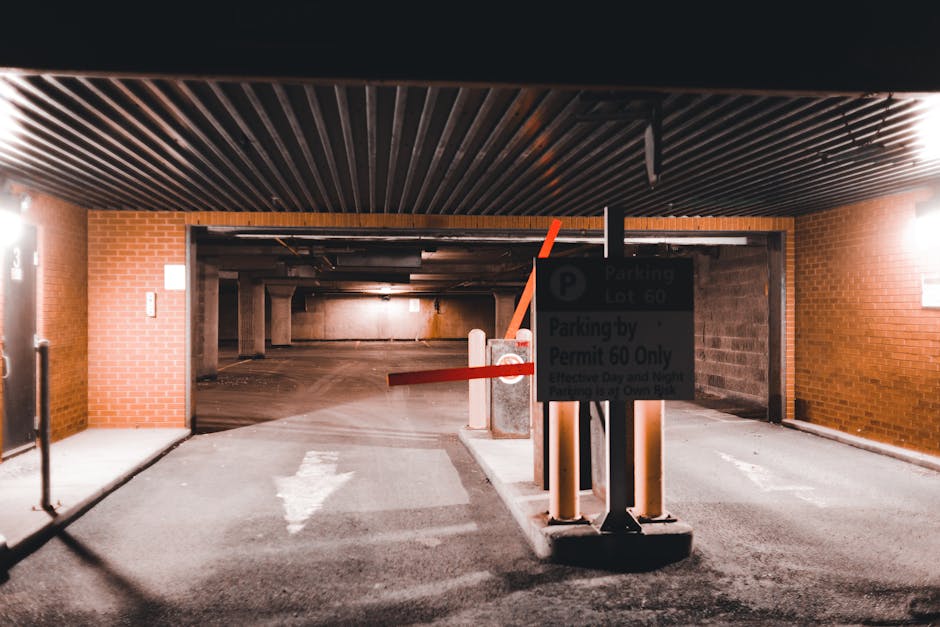
Suspended Bay & Parking Permits for Osidge Van Drops: A Practical Osidge Guide
If you are arranging a van drop in Osidge, the parking question can make or break the day. A good route plan is one thing; finding a safe, legal place to stop is another. Suspended bay spaces, temporary parking permits, and the realities of street access all shape how smooth the job feels once the van arrives and the doors slide open.
This guide to Suspended Bay & Parking Permits for Osidge Van Drops breaks the topic down in plain English. You will learn what suspended bays are, why they matter for removals and deliveries, how parking permissions usually work in a local London setting, and what to do when the street looks awkward or the timing is tight. We will also cover common mistakes, best-practice planning, and a simple checklist you can use before the van turns up. No drama, just fewer surprises.
Why Suspended Bay & Parking Permits for Osidge Van Drops Matters
Parking is often the hidden variable in a move or delivery. On paper, a van drop may look simple: arrive, unload, leave. In reality, a narrow road, a marked bay, a suspended space, a school run, or a neighbour's parked car can add ten minutes or an entire hour. And in Osidge, where local streets can be busy at the wrong moment, that little delay can ripple through the whole job.
A suspended bay is a parking space that has been temporarily taken out of normal use. That might be for works, an event, a skip, scaffolding, or a controlled access need. For van drops, that matters because the spot you expected to use may no longer be available. A permit, meanwhile, is the planned side of the equation: permission to park for a specific purpose, at a specific time, sometimes in a specific bay or zone.
Why does this matter so much? Because the difference between a tidy unload and a stressful scramble is often a legal, reserved stopping point. When the van can park close to the property, handling bulky items becomes safer and faster. When it cannot, you get longer carrying distances, more handling risk, and often more stress for everyone involved. To be fair, nobody enjoys balancing a wardrobe half-way down the pavement while a car waits behind them.
If your move also involves stairs, a flat entrance, or heavy furniture, parking gets even more important. That is why many people reading about local removals also find it useful to look at stairs, parking and lift planning for local moves and practical fixes when staircases block a move. Those issues tend to travel together, annoying as that is.
How Suspended Bay & Parking Permits for Osidge Van Drops Works
Think of it as two layers. First, there is the physical parking space on the street. Second, there is the permission attached to using it. A suspended bay changes the first layer by temporarily removing a bay from ordinary parking use. A permit changes the second layer by allowing a vehicle to stop, load, unload, or wait under agreed conditions.
In practice, the details depend on the street, the time of day, and the type of van drop. Some jobs need only a brief stop with hazard lights on and careful observation. Others need a formal arrangement because the vehicle will be stationary longer, blocking a bay, or operating in a controlled parking area. In a busy London borough, you cannot assume that "quick in, quick out" will be accepted by everyone on the street. Reality tends to have other ideas.
Here is the basic flow most people follow:
- Check the street location and the access conditions around the property.
- Identify whether the bay is suspended, restricted, metered, shared, or permit-controlled.
- Work out whether the van needs a loading stop, a waiting stop, or full parking permission.
- Plan the timing so the vehicle arrives when the space is most likely to be usable.
- Allow for contingency if the space is taken, suspended, or further away than expected.
This is also where preparation matters. If you are still boxing up loose items, it helps to read the dos and don'ts of packing for a move and how to declutter wisely for a seamless move. Better packing means less time at the kerb, which is exactly what you want if the bay situation is awkward.
One more thing. If you are using a man and van style service rather than a full-scale removals crew, the parking plan becomes even more important. Smaller jobs can move quickly, but only if the driver has somewhere sensible to stop. A van circling the block while someone hunts for space is not a plan. It is a delay wearing a hat.
Key Benefits and Practical Advantages
The upside of sorting parking properly is bigger than most people expect. Yes, it helps you avoid fines or arguments. But it also improves the rhythm of the whole drop, and that has a knock-on effect on safety, timing and cost control.
- Shorter carrying distance: The closer the van, the less lifting and walking.
- Lower risk of damage: Fewer handovers and less awkward manoeuvring usually means fewer knocks.
- Better time control: A planned stop keeps the job on schedule instead of drifting.
- Less stress: Nobody is improvising at the roadside while clocks tick on.
- Cleaner access for neighbours and pedestrians: Good parking management keeps the street calmer.
There is also a practical commercial benefit. If a van can get close to the door, the crew can often work more efficiently. That matters for short notice jobs, student moves, furniture drops, and office deliveries alike. For students in particular, time windows can be tight, so it is worth looking at student removals support in Osidge if the move has to fit around term dates, handovers or weekend access. A well-timed parking plan can save a lot of back-and-forth.
And if the item is heavy or unusually shaped, the access benefit is even bigger. A piano, for instance, is already a slow, careful move without adding a long street carry. The same goes for a big sofa or bed frame. On a wet afternoon, with damp kerbs and a bit of traffic noise, the last thing you want is an extra 40 metres of lift-and-shift.
Who This Is For and When It Makes Sense
This topic is not just for large removals companies. It is relevant to anyone arranging a van stop where parking could be limited, contested, or time-sensitive. That includes homeowners, tenants, students, office managers, and anyone ordering bulky goods or moving furniture in Osidge.
It makes sense to think about suspended bays and permits if any of these sound familiar:
- Your road is narrow or heavily parked.
- The property is on a main route or near busier junctions.
- The drop involves bulky items, not just a few boxes.
- The building has stairs, a lift, or limited front access.
- You need the van to wait, not just stop for a moment.
- There is a bay suspension notice, street works, or seasonal access pressure.
Flat moves often need more careful parking than people expect because every box has to come in and out of one entrance, often with neighbours close by and limited turning space. If that sounds like your situation, it may be worth reviewing flat removals in Osidge as part of your planning. Likewise, office drops are usually better when arrival, unloading and departure are tightly controlled, which is why office removals in Osidge can be a helpful reference point for more structured moves.
Sometimes the issue is not a full removal at all. It might be a same-day delivery, a furniture collection, or a single awkward item. In those cases, a small planning mistake can still cause a big headache. A quick stop in the wrong place may look harmless, but if the bay is suspended or permit-controlled, things can become messy fast. A little caution goes a long way.
Step-by-Step Guidance
If you want the process to feel manageable, work through it in order. People often jump straight to the booking and only think about parking the night before. That is usually when the sighing starts.
- Check the address and street layout.
Look for signs of bay suspension, loading restrictions, resident-only parking, yellow lines, or timed controls. Note the side of the road where the van would ideally stop. - Measure the practical carry distance.
Count the walk from the nearest realistic stopping point to the door. Even a short distance can matter if you are moving a sofa or mattress. - Match the stop to the job type.
A quick furniture drop may need a loading stop. A longer move may need a proper parking permit or a formal arrangement. - Build in a timing buffer.
Traffic, school runs and parked cars all eat time. A buffer of even 15 minutes can save the day. - Prepare the items before arrival.
Loose wrapping, dismantled legs, and labelled boxes make the roadside unload far easier. - Keep a backup plan.
If the bay is suspended or occupied, know the next best legal place to stop.
It also helps to coordinate the packing side of things properly. For example, if you are moving beds or mattresses, read how to efficiently move your bed and mattress. If the drop includes a sofa, expert sofa storage advice can give you a better idea of how to protect soft furnishings while you wait for access.
One simple real-world habit makes a big difference: have someone stand at the front door before the van arrives. Not to "direct traffic" in a heroic way, just to spot whether the bay is free and whether the vehicle can actually get in. It sounds obvious. But on a busy street, obvious things are often the first to go missing.
Expert Tips for Better Results
The best parking plans are the ones that feel boring on the day. Nothing exciting. No last-minute detective work. Just a smooth stop, clear access and everyone moving in the same direction.
- Book early when the road is busy. Popular moving days fill up fast, especially at month-end and on Fridays.
- Keep the van route simple. A complicated approach often creates more parking pressure than you expect.
- Pack in move order. Items that are needed first should be closest to the exit.
- Avoid overloading the front hall. The faster the door area stays clear, the faster the unload goes.
- Plan around local rhythms. School start times, commuter peaks and bin days can all affect access.
- Use proper lifting technique. If parking is less than ideal, the carry becomes harder, so protect your back and grip.
For heavier items, it is worth brushing up on solo heavy lifting techniques before the day. And if the job involves a staircase, too many trips, or a tight landing, a bit of planning around stairs, lifts and parking constraints can save a surprising amount of time.
Truth be told, people often underestimate the emotional side of this. When the van is parked legally and close enough, the whole move feels calmer. You can hear yourself think. You can find the tape. You can breathe. Small thing, but it matters.
Common Mistakes to Avoid
Most problems around van drops are not dramatic. They are ordinary, preventable oversights. The good news? That makes them easy to fix next time.
- Assuming a bay is available without checking: Suspensions and restrictions can change the plan instantly.
- Forgetting loading time: "Just a minute" often becomes much longer once the doors open.
- Leaving parking until the day before: This is how stress arrives early.
- Ignoring how far the carry really is: A 20-metre walk feels very different with a wardrobe in your hands.
- Not planning for weather: Rain makes loading slower and surfaces slicker.
- Blocking the street without a backup: A bad stop can annoy neighbours and create avoidable risk.
A related mistake is underestimating how much prep the home itself needs. People sometimes focus on the parking and forget the front room is full of half-packed bags and loose cables. That is where things snag. If you want a calmer exit, take a look at how to tackle home cleaning before the big move-out and how to streamline and simplify your house move. Less clutter at the door means less chaos at the kerb.
And yes, it is easy to say "we'll wing it". But parking rarely rewards winging it. Not in London. Not on a tight street. Not when the van is already reversing and the driver is watching a gap that may disappear in thirty seconds.
Tools, Resources and Recommendations
You do not need a bag full of fancy equipment to manage a van drop well. What helps most is a small, sensible toolkit and good information. Keep it basic, but keep it ready.
- Printed or saved booking notes: Address, access instructions, arrival window and phone numbers.
- Labels and tape: They speed up unloads and reduce confusion.
- Protective wrapping: For corners, glass, wooden legs and soft furnishings.
- Gloves and sensible footwear: Not glamorous, but very useful.
- Entry notes for the driver: Gate codes, flat numbers, buzzer names and loading instructions.
If you need temporary off-site holding while access is being sorted out, consider whether storage in Osidge could ease the pressure. That is particularly useful when the parked vehicle cannot wait long or when a bay is suspended for part of the day. Likewise, if you need boxes and packing materials, packing and boxes in Osidge is a logical place to prepare the basics before the van arrives.
For anyone comparing wider services, it can also help to read the services overview and removal services in Osidge pages so you can judge what kind of support fits your move. A little context can save a lot of guesswork.
Law, Compliance, Standards and Best Practice
Parking permissions and bay suspensions are not just administrative details. They sit alongside local traffic control, loading restrictions, and general road safety expectations. The exact rules vary by street and borough, so it is wise to treat the on-street signs and any written permission as the final word for that location.
In practical terms, the safest approach is to assume that a suspended bay is unavailable unless you have clear permission to use it. If a permit is needed, make sure the stop matches the purpose for which it was issued. That might sound formal, but it is just good practice. It protects you, the driver, and the people who live or work nearby.
Where there is uncertainty, follow the principle of least disruption. Park legally if you can. Keep loading time efficient. Avoid blocking driveways, dropped kerbs, junctions or crossings. And if a job involves bulky items or regular lifting, use sensible moving practice rather than rushing. For company-level reassurance, pages such as health and safety policy, insurance and safety, and terms and conditions can help explain the standards behind the service approach.
There is also a customer-experience angle here. Good parking planning is part of good service. It reduces avoidable delay, makes expectations clearer, and helps everyone behave more calmly. That may not sound exciting, but it is exactly the sort of quiet competence people remember later.
Options, Methods, or Comparison Table
Different parking approaches suit different kinds of van drops. The table below gives a simple comparison so you can judge what makes sense for your situation.
| Option | Best for | Strengths | Watch-outs |
|---|---|---|---|
| Suspended bay use with permission | Planned deliveries and removals where a bay is temporarily reserved | Closest possible access, efficient unloading, clearer control | Must be checked carefully; conditions may be specific and time-limited |
| Standard loading/unloading stop | Short drops with quick turnaround | Simple and often enough for small jobs | Not suitable if the vehicle needs to wait longer or the street is busy |
| Permit-controlled parking | Street locations where parking is otherwise restricted | More predictable for larger moves and repeat visits | Needs advance planning and may still have time limits |
| Remote parking plus carry | Where no closer legal stop is available | Flexible and sometimes the only option | Slower, more tiring and higher risk for heavy items |
As a rule of thumb, the closer the van can park legally, the easier the job will be. But sometimes remote parking is the reality, especially on busier streets. In that case, good packing, a clear carry route and enough hands on deck become the difference between "fine" and "blimey, that took longer than expected."
Case Study or Real-World Example
Picture a small Osidge flat move on a weekday morning. The occupants have boxed most things, but the last stage is two awkward items: a sofa and a bed frame. The street has limited parking, and one bay nearby is suspended for works. The first instinct is to hope for the best and arrive early. Fair enough. But hope is not a parking strategy.
Instead, the move is planned with the bay situation in mind. The team checks the likely stopping point, confirms a backup loading option, and keeps the carry path clear inside the flat. The sofa is wrapped, the bed frame is dismantled, and the boxes are grouped by room so the unload can happen fast once the van stops.
On the day, the bay is indeed unavailable. Because the backup was already thought through, the van stops legally a little further down, the items are carried in a single sequence, and the job still finishes within the planned window. It is not effortless, but it is controlled. That is the win.
This kind of planning matters even more when the item itself needs special handling. A piano move, for example, calls for good access and good timing. If that is part of your project, it may help to read how moving a piano can hit all the wrong notes and look at piano removals in Osidge for a sense of the extra care involved. Big, delicate, or heavy items do not forgive sloppy parking. They really don't.
Practical Checklist
Use this as a quick pre-arrival sanity check. It is deliberately simple.
- Confirm the exact street and number.
- Check for suspended bay notices or temporary restrictions.
- Decide whether you need loading-only access or longer parking permission.
- Share access notes with the driver in advance.
- Prepare a backup stopping point nearby.
- Pack the first-load items nearest the exit.
- Clear the hallway and front entrance.
- Protect fragile or awkward items before arrival.
- Allow extra time for traffic and carry distance.
- Keep keys, contact numbers and any permission details easy to reach.
If the move is a larger home clear-out, you may also find removals in Osidge and house removals in Osidge useful for thinking through the bigger picture. The parking piece is only one part of the job, but it is often the part that sets the tone.
Get the parking right and half the battle is already won. That sounds a bit dramatic, perhaps, yet anyone who has wrestled a sofa from the wrong side of the street will know exactly what it means.
Conclusion
Suspended bays and parking permits may not be the most glamorous part of a van drop, but they are often the part that determines whether the day feels smooth or scrambled. In Osidge, where access can change quickly from one street to the next, a little planning is worth far more than a hopeful guess.
If you remember only three things, make them these: check the bay status, match the parking arrangement to the job size, and build in a backup. Do that, and you will avoid most of the friction that catches people out. The move still needs lifting, tape, timing and a bit of stamina, of course. But the parking? That bit becomes manageable.
And if you are doing this for the first time, do not worry if it feels more complicated than expected. That is normal. A good van drop is usually the result of a few small decisions made early, not one big heroic effort at the kerb. Bit by bit, it all comes together.
Get a free quote today and see how much you can save.