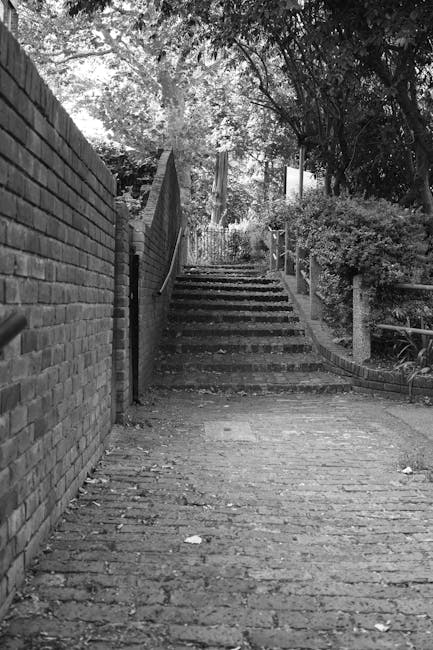
Oakwood and Osidge Moves: Stairs, Parking, Lifts
Moving in Oakwood or Osidge can look straightforward on a map and then, suddenly, get complicated at the front door. A narrow stairwell, a shared driveway, a basement flat, a lift that is smaller than your wardrobe, or a parking space that disappears ten minutes before the van arrives - any one of these can slow a move right down. That is exactly why Oakwood and Osidge Moves: Stairs, Parking, Lifts deserves a proper plan, not a last-minute shrug and a hope for the best.
This guide breaks down what the access issues really mean, how removal teams approach them, and what you can do before moving day to save time, stress, and a few bruised corners. Whether you're moving from a flat near Oakwood, a family home in Osidge, or somewhere with awkward communal access, the practical advice below should help you feel more in control. Truth be told, that calm feeling matters just as much as the boxes.
Why Oakwood and Osidge Moves: Stairs, Parking, Lifts Matters
Most moving problems are not caused by the boxes themselves. They are caused by access. A sofa that fits beautifully in your lounge can become a minor event on a third-floor landing. A parking delay can turn an otherwise tidy schedule into a chain reaction of waiting, carrying, and re-carrying. And if a lift is out of service, small items may still move easily, but heavy furniture suddenly becomes a different job altogether.
In Oakwood and Osidge, that matters because properties vary quite a lot. You may have terraced houses with tight front access, mansion flats with long internal corridors, newer apartment blocks with booking systems, or older buildings where the stairs do not exactly invite a broad-shouldered wardrobe. Moves in these areas often work best when access is treated as part of the moving plan, not an afterthought.
Access also affects more than speed. It influences risk, protection, and cost control. If a mover has to carry a chest of drawers down four flights instead of using a lift, the likelihood of knocks, fatigue, and delays goes up. That does not mean problems are inevitable. It simply means the right preparation matters more than usual.
If you are still in the planning stage, it can help to read broader preparation guides like how to streamline and simplify your house move or the practical advice in the dos and don'ts of packing for a move. Good packing and good access planning go hand in hand. One without the other, and well... you feel it on the day.
How Oakwood and Osidge Moves: Stairs, Parking, Lifts Works
At its simplest, the process is about matching the moving method to the building layout. A removal team will usually look at three things first:
- Stairs - How many flights, how wide they are, and whether turns or landings make carrying awkward.
- Parking - How close the van can get, whether there are restrictions, and whether loading space can be reserved or shared.
- Lifts - Whether there is a lift, how large it is, whether it can carry furniture safely, and if it needs booking.
From there, the move is shaped around the building rather than forcing the building to fit the move. A good team may bring extra protection for bannisters, doors, and flooring. They may split large items into manageable parts. They may also adjust the order of loading so that the heaviest or most awkward items are handled when the route is clearest and the team is fresh.
Parking is often the quiet troublemaker. People focus on stairs and lifts, which makes sense, but if the van cannot stop near the entrance, the carry distance grows quickly. That extra distance adds time, and time adds fatigue. In practical terms, a move from a second-floor flat can feel very different depending on whether the van is outside the door or half a street away.
For flats and apartment moves, it is also worth thinking about communal rules. Some buildings require lift booking, protective blankets, proof of insurance, or advance notice to a concierge. If you're moving in a block, taking five minutes to ask the right questions early can save a maddening hour later. For more localised apartment guidance, the page on flat removals in Osidge is a useful companion read.
Key Benefits and Practical Advantages
When stairs, parking, and lift access are planned properly, the move becomes calmer in ways that are not always obvious at first glance. Here are the real advantages.
- Faster loading and unloading: Less walking back and forth means less time lost.
- Lower risk of damage: Shorter carries and clearer routes reduce the chances of scraping walls or dropping items.
- Less physical strain: The team can work more safely, and you are less likely to end the day with a sore back and a bad mood.
- Better schedule control: Access planning helps the move stay closer to the agreed window.
- Improved protection for the property: Floors, lifts, and communal areas are easier to protect when everything is mapped out in advance.
There is also a less obvious benefit: confidence. When you know the stairs are measured, the van can park sensibly, and the lift booking is confirmed, the move stops feeling like a gamble. That confidence is worth a lot on moving morning, especially when everyone is standing around with that half-awake look and a mug of tea gone cold by 8:15.
For people moving larger items, the benefits become even clearer. If you are handling bulky furniture, it may be worth looking at furniture removals in Osidge or, for very awkward pieces, piano removals in Osidge. The more complex the item, the more access planning pays off.
Who This Is For and When It Makes Sense
This kind of planning is useful for almost anyone moving in the area, but it is especially important in a few situations.
- Flat movers: If you live in a top-floor apartment, stair strategy becomes central.
- Families in terraced homes: Narrow hallways and front steps can make furniture manoeuvres awkward.
- People in blocks with managed parking: If loading bays or permits are involved, timing matters.
- Students and shared-house movers: Multiple occupants, tight staircases, and mixed schedules can make coordination messy.
- Office relocations: Equipment, desks, and filing units need careful access planning so the working day is not wiped out.
It also makes sense for anyone moving on a tight deadline. Same-day relocations rarely benefit from improvisation. If you are in that position, a service like same-day removals in Osidge can help, but only if the access details are nailed down quickly.
Students, in particular, often underestimate how much lift access and stair width can change the pace of a move. If that sounds familiar, the dedicated student removals Osidge page may be a good fit. It is not just about cost; it is about making a small move feel less chaotic. Which, let's face it, is half the battle.
Step-by-Step Guidance
Here is a practical way to handle stairs, parking, and lifts without turning the move into a long headache.
1. Check the access route from street to room
Walk the route if you can. Start at the kerb and trace the path all the way to the room or loading point. Count flights of stairs, note narrow corners, and look for anything that might catch - radiators, letterboxes, awkward doorway lips, low lights. A route that seems fine for a person may be tight for a sofa or mattress.
2. Measure the items that matter
Large furniture, white goods, and anything fragile or oddly shaped should be measured before moving day. A tape measure is not glamorous, but it is very good at saving time. Compare item dimensions with stair width, lift size, and door openings. If the lift doors are small or the stairwell turns sharply, you may need to rotate or disassemble items.
3. Confirm parking details early
Decide where the van can stop, how long it can stay, and whether any permit or bay booking is needed. In built-up parts of London, parking can be the part that causes the most stress. If a loading bay is available, reserve it if the building allows that. If not, find the next best option and share clear instructions with the movers.
4. Book lifts where required
Some blocks require lift reservations, service lift use, or notice to building management. If a lift has a weight limit, large furniture may need a different route. Don't assume a passenger lift will be suitable just because it exists. In older or smaller buildings, it often isn't.
5. Prepare items for the route
Wrap corners, secure loose parts, and remove anything that could snag on bannisters or door frames. For mattresses and beds, you may want to use the tips in how to efficiently move your bed and mattress. Bedding can be stripped early, bolts kept in a labelled bag, and the mattress protected against scuffs and damp.
6. Decide what should be moved in advance
If you know a sofa will not fit through a tight route, or a freezer needs special handling, say so early. There are practical guides for special items too, such as maintaining your freezer's integrity during idle times and sofa storage advice for items going into temporary storage.
7. Keep the moving day order sensible
Start with the items that are easiest to move safely, then work toward the trickiest pieces. If the lift is available for a short window, use that time for bulky items first. If stairs are the only route, clear the corridor and keep a tidy staging area so the route stays open. Simple, really. But very easy to get wrong when everyone is in a hurry.
Expert Tips for Better Results
The best access plans are built on small, practical choices. Nothing flashy. Just the sort of details that make a move feel controlled instead of rushed.
- Photograph tight spots: A quick picture of the stairwell, entrance, or parking bay can help explain the layout better than a long message.
- Keep paths clear the night before: Shoes, umbrellas, plant pots, and recycling bags have a habit of appearing exactly where you need to turn a wardrobe.
- Use labels that match the route: Mark boxes for upstairs, downstairs, lift, or priority loading if it helps the team sort things quickly.
- Protect walls and floors early: Temporary coverings are far easier to put down before the first heavy item arrives.
- Plan for weather: Rain, drizzle, and muddy pavements can make stairs and entryways slippery. A soggy London morning changes the mood a bit, to be fair.
- Keep essentials separate: Keys, phone, lift booking details, and parking instructions should not disappear into a box.
If you are moving from a higher floor without easy lift access, ask the team how they normally manage heavier furniture. That is a fair question. In fact, it is a smart one. The answer will tell you a lot about how the day is likely to go. For general loading and manual handling insight, refining heavy lifting techniques is worth a look, although for truly heavy items professional help is still the safer bet.
One more thing: don't be afraid to simplify. If some items can go into storage in Osidge rather than being moved directly into a cramped property, the whole operation may become much easier.
Common Mistakes to Avoid
Most access problems are avoidable. The annoying part is that they are also easy to repeat if nobody spots them early.
- Assuming the lift will be available: A lift might be booked, small, or out of service. Always confirm.
- Ignoring parking restrictions: A van circling the block while everyone waits is nobody's idea of a good start.
- Forgetting measurement details: Measuring the sofa but not the turn on the stairwell is a classic oversight.
- Not telling the movers about awkward items: Pianos, freezers, large mirrors, and glass tables need advance planning.
- Leaving corridors cluttered: Even a few shoes or a laundry basket can slow movement in a narrow hall.
- Overpacking boxes: Heavy boxes on stairs are tiring and risky. They also make it more likely that someone mutters something unrepeatable by the second trip.
Cleaning is another one people forget until the last day. If you want the exit to feel less chaotic, the guide on tackling home cleaning before the big move-out is very practical. And if you are deciding what to keep, the advice on decluttering wisely for a seamless move can reduce the load before anyone touches a stair.
Tools, Resources and Recommendations
You do not need a van full of specialist kit to make access work, but a few simple tools make a real difference.
| Tool or Resource | What It Helps With | Why It Matters |
|---|---|---|
| Measuring tape | Doors, lifts, stair turns, and large furniture | Prevents avoidable sizing surprises |
| Furniture blankets | Protecting wood, paint, and polished surfaces | Reduces scuffs on tight routes |
| Mattress cover | Keeping soft furnishings clean and dry | Especially helpful in wet weather or shared corridors |
| Labels and markers | Sorting boxes by room or priority | Saves time at both ends of the move |
| Building contact details | Lift bookings, parking queries, access permissions | Important for flats and managed properties |
For a full-service approach, you may want to review the services overview to see how different moving support options fit together. If you're comparing providers, removal companies in Osidge can help frame what service level you need, while man with a van Osidge is often a practical choice for smaller or simpler moves.
There is also the simple matter of getting a clear figure. For planning purposes, the page on pricing and quotes is useful when you want to understand how access, carrying distance, and time may influence the estimate. No surprises, ideally.
Law, Compliance, Standards, or Best Practice
For most home moves, there is not a complicated legal process attached to stairs or lifts, but there are still important standards and responsibilities to keep in mind.
Building managers, landlords, and residents often have their own access rules, especially in apartment blocks. These may include lift booking, noise windows, loading restrictions, protective coverings, or advance notice for large deliveries. In a practical sense, it is best to treat these as non-negotiable building requirements unless you have been told otherwise.
Health and safety matters too. Safe lifting technique, sensible team sizes, and avoiding unsafe carries are basic expectations, not extras. A reputable mover should have clear procedures around manual handling, property protection, and safe access. If you want to understand the approach in more detail, the company pages on health and safety policy and insurance and safety are worth reviewing.
Accessibility is another part of best practice. Not every building is equally easy to navigate, and that should be acknowledged rather than brushed aside. If you or someone in your household has mobility needs, it is sensible to ask in advance how stairs, lift size, or parking distance may affect the move. A thoughtful plan usually beats a rushed one. Every time.
Options, Methods, or Comparison Table
There is more than one way to handle a move with access constraints. The right choice depends on the building, the size of the property, and the types of items you are moving.
| Method | Best For | Strengths | Limitations |
|---|---|---|---|
| Stair carry | Buildings without lift access or with small lifts | Reliable, flexible, works in most properties | Slower, more physical, harder with bulky items |
| Lift-assisted move | Flats and apartment blocks with suitable lifts | Faster for heavy furniture, less strain | Needs booking, size checks, and sometimes building approval |
| Parking-near-door loading | Houses and streets with accessible loading | Efficient, shorter carry distance | Depends on local parking availability |
| Split-load move | Mixed access or awkward items | Improves control and reduces risk | Can require more scheduling and coordination |
For many local moves, a hybrid approach works best. The van parks as close as possible, the lift is used when suitable, and stairs are reserved for lighter loads or items that simply cannot go another way. That balance is often the sweet spot. Not glamorous, but very effective.
Case Study or Real-World Example
Picture a typical move from a second-floor flat in Osidge. The property has a communal entrance, a small lift, and parking on a nearby side street rather than directly outside. On paper, that sounds manageable. In reality, it needs a bit of thought.
The movers start by confirming the lift booking and checking whether the lift can take the larger furniture pieces. The client has already measured the sofa, bed frame, and fridge. Good start. The sofa turns out to be too awkward for the lift once it is angled, so the team decides to take it down the stairs with protection on the corners and bannisters. The bed frame is dismantled earlier in the day, which saves time. A parking space is kept clear through advance planning, so the van can load in shorter bursts rather than trekking back and forth.
The move still takes effort - of course it does - but it stays orderly. Nobody is waiting around wondering where the van should go. Nobody is carrying a mattress down the stairs and discovering a tight turn halfway. And the client gets to spend the evening in a new place with working furniture instead of a half-finished pile of boxes.
If you are dealing with especially heavy or awkward items, the guide on moving a piano without hitting all the wrong notes is a good reminder that some objects need specialist handling. Same with larger household pieces that might need more than a standard carry plan.
Practical Checklist
Use this as a quick moving-day check. It is not fancy, but it works.
- Measure stair widths, doorways, and lift dimensions.
- Confirm parking arrangements and loading access.
- Check whether a lift booking or building notice is required.
- Tell the movers about heavy, fragile, or awkward items.
- Clear corridors, hallways, and entrances.
- Protect floors, walls, bannisters, and lift interiors where needed.
- Prepare labels for priority boxes and room destinations.
- Keep keys, phone, documents, and building contact details to hand.
- Set aside cleaning supplies for the final check-out.
- Have a backup plan if parking or lift access changes at short notice.
If you are not sure where to begin, the safest move is to break the job down into smaller parts. Boxes first. Access second. Furniture third. Then the rest follows more naturally.
Get a free quote today and see how much you can save.
Conclusion
Stairs, parking, and lifts can make the difference between a smooth local move and a day full of avoidable delays. The good news is that they are all manageable when you plan early, measure properly, and tell your removal team the real layout - not just the version you hope is true.
For Oakwood and Osidge moves, that means looking at access as part of the moving plan from the very beginning. Check the route. Confirm the parking. Book the lift if there is one. Protect the building. Keep the load realistic. Do that, and the whole move tends to feel more settled, even if the day is still a bit busy and someone has misplaced the kettle for twenty minutes.
And if you want extra help with the wider move, it can be useful to explore house removals in Osidge or removals in Osidge for a broader service view. A calm, well-organised move is usually built from small sensible choices. That part never really changes.
Frequently Asked Questions
What should I check first for a move with stairs, parking, and lifts?
Start with the route from the street to the property. Check stair count, lift availability, parking distance, doorway widths, and whether any building rules apply. That first scan tells you where the likely pressure points are.
Do I need to book a lift in advance for a flat move?
Often, yes. Many apartment blocks and managed buildings require lift booking or at least advance notice. Even where it is not mandatory, it is sensible to confirm. A lift that is already reserved by someone else can delay the whole day.
How far in advance should I sort out parking for removal vans?
As early as possible. In busy parts of London, parking can be the biggest unknown. If a permit, loading bay, or temporary arrangement is needed, it is much easier to sort it out before moving day rather than during it.
What happens if my sofa does not fit in the lift?
The team may take it via the stairs, if that is safe and practical, or may need to consider dismantling it. This is why measuring furniture and access points before the move is so useful. Guesswork is not your friend here.
Are stairs a problem for all moves?
Not necessarily. Stairs are only a problem when the furniture is bulky, the route is narrow, or the amount of carrying becomes too much for a standard setup. A good mover will adjust the method rather than forcing one approach onto every property.
How can I make a flat move easier with limited lift space?
Break the move into smaller loads, dismantle larger furniture where possible, protect the lift and corridors, and keep the parking close. If the lift is tiny, plan in advance for stair carries of the heavier items.
What should I tell my removal company before moving day?
Tell them about stairs, lift size, parking restrictions, large furniture, fragile items, access codes, and any building time limits. The more accurate the information, the better they can prepare.
Is it worth using storage if access is difficult?
Yes, sometimes. If a particular item is too awkward for the first move-in, or if the property is not ready for everything at once, storage can give you breathing room. A staged move is often less stressful. The storage in Osidge page is a useful starting point.
Can I handle stairs and heavy lifting myself?
Some smaller items, yes. But bulky furniture, appliances, and anything awkward are best handled carefully. If you are unsure, it is safer to ask for help rather than risk injury or damage. A sore back can ruin your weekend in a hurry.
What if my building has special access rules?
Follow them. That may include lift bookings, protective coverings, restricted loading times, or concierge check-in. These rules are usually there to protect the building and reduce disruption, so it is best to work with them.
How can I compare removal options for a difficult-access property?
Look at the size of the property, the number of floors, the availability of lifts, the parking situation, and the type of items being moved. Then compare services like man and van Osidge, removal van Osidge, and fuller moving support depending on what you actually need.
Where can I learn more about preparing for a local move near Oakwood or Osidge?
The local guide on moving near Southgate Station is a good related read, especially if your route overlaps with nearby North London access and parking patterns. It gives you a better feel for how local conditions can affect timing and planning.
What is the most common mistake people make with access planning?
Probably assuming someone else has already sorted it. People often think the lift will be free, the parking space will be obvious, or the stairs will be fine. Usually, those assumptions cost time. Checking the basics early makes a surprisingly big difference.