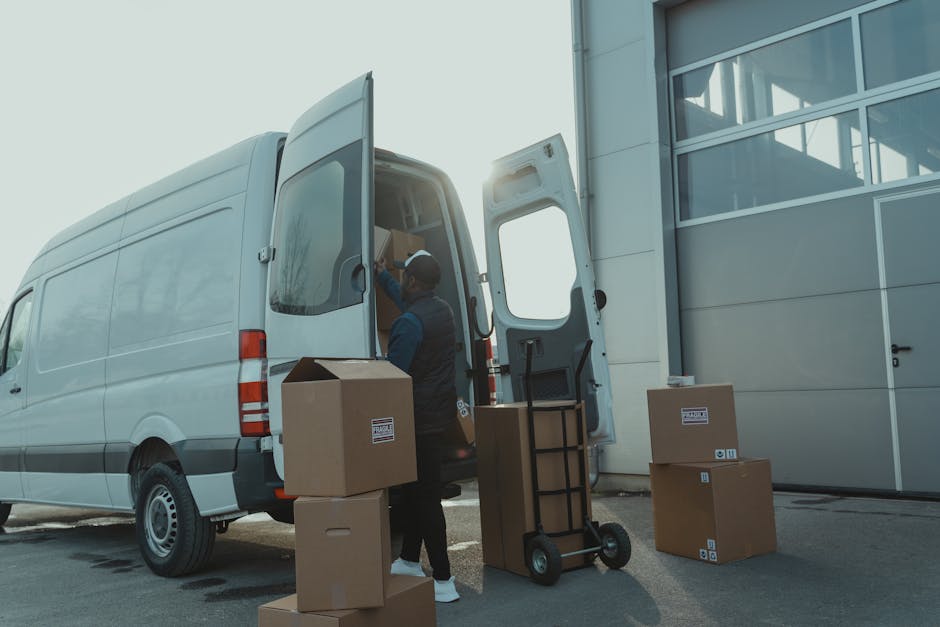
Man with Van Osidge Guide to Moving from N14 Flats
If you are planning a flat move in N14, the details can pile up fast. Stairs, parking, lift bookings, neighbours, tight hallways, and that one awkward sofa that somehow looked smaller in the listing. This Man with Van Osidge guide to moving from N14 flats is here to make the process feel manageable, not chaotic. Whether you are leaving a studio near Southgate or a top-floor flat in Osidge, the right approach can save time, reduce stress, and protect your belongings.
In practical terms, a man and van service is often the sweet spot for local flat moves: flexible, cost-conscious, and well suited to smaller or medium-sized loads. But there is a bit more to it than booking a van and hoping for the best. Access, timing, packing, and building rules all matter. Let's break it down properly.
Table of Contents
- Why this guide matters for N14 flat moves
- How the move works from start to finish
- Key benefits and practical advantages
- Who this is for and when it makes sense
- Step-by-step guidance for a smoother move
- Expert tips for better results
- Common mistakes to avoid
- Tools, resources and recommendations
- Law, compliance and best practice
- Options and comparison table
- Case study example
- Practical checklist
- Conclusion
- Frequently asked questions
Why Man with Van Osidge Guide to Moving from N14 Flats Matters
Flat moves are different from house moves. That sounds obvious, but people still underestimate how much building access changes the day. In N14, flats often mean shared entrances, narrow stairwells, limited parking, lift restrictions, and sometimes a quick turn on a busy road. One missed detail can turn a tidy two-hour job into a long, sweaty afternoon. Not ideal.
This guide matters because a local man with van setup is usually chosen for a very specific reason: it fits the realities of flat living. You may not need a full removal lorry, but you do need someone who can work around staircases, loading bays, permit rules, and the awkward shape of flat-pack furniture. That mix of flexibility and local know-how is the real value.
There is also the human side of moving. Flat residents often have less storage, fewer spare hands, and less room to stage items in advance. So the move has to be organised, efficient, and respectful of neighbours. If you have ever tried to manoeuvre a mattress down a corridor while someone else is trying to get out with a buggy and a coffee, you know exactly what I mean.
Practical takeaway: For N14 flats, the success of the move is usually decided before moving day. Access, packing, timing, and building rules matter just as much as the van itself.
If you are comparing services, it helps to understand the wider range of support available too. A dedicated man and van service can be ideal for compact flat moves, while fuller removal services may suit larger households or more complex relocations.
How Man with Van Osidge Guide to Moving from N14 Flats Works
The process is usually straightforward, but the quality of the planning makes all the difference. A man with van move for an N14 flat normally follows a simple pattern: request a quote, confirm access details, prepare the items, and complete the move on the agreed day. Simple on paper. In real life, the details are the whole game.
1. Share the move basics early
Before anything else, give a clear picture of what needs moving. That means room count, approximate item list, floor level, whether there is a lift, and whether the van can stop close to the entrance. A good mover can estimate more accurately when they know the real conditions, not just the postcode.
2. Confirm building access
For flats, access can be the difference between an easy load and a frustrating one. Check if the building has:
- a lift and whether it is working
- time restrictions for moves
- entry codes or porter arrangements
- shared corridors with limited turning space
- parking close enough for safe loading
Even a short walk from van to door can matter when there are multiple boxes, a mirror, and a bed frame to carry. You notice it quickly.
3. Prepare the flat for loading
On moving day, you want the main paths clear. That does not mean stripping the place bare an hour before, because that usually leads to panic. It means packing ahead of time, separating essentials, and leaving a clean walkway from each room to the exit. If you have ever tripped over a kettle box in your own hallway, you will appreciate this.
4. Load in the right order
Usually, the heaviest and least fragile items go in first, then boxed items, then lighter or delicate pieces. The aim is to keep the load stable and reduce damage. Good movers will also think about weight balance, which matters more than many people realise, especially on shorter vans used for urban jobs.
5. Deliver and place items sensibly
A proper flat move is not just about getting items out. It is about placing them where they need to go so you are not dragging a bed base through the flat twice. Small thing, big relief. A bit of forward thinking here saves energy at the end of a long day.
Key Benefits and Practical Advantages
There are several reasons people in N14 choose a man with van approach for flat moves, and most of them are practical rather than flashy. No drama, no oversized truck where a smaller vehicle will do. Just a sensible fit.
- Flexible for small-to-medium flat moves: Ideal for one-bed, studio, or part-load moves.
- Better suited to local roads: A smaller vehicle is often easier around residential streets and tight access points.
- Often more cost-efficient: You are not paying for a huge amount of unused capacity.
- Quick to arrange: Local jobs can often be booked with less lead time than large removals.
- Less disruption: Faster loading and unloading can be a real benefit in buildings with neighbours close by.
- Useful for awkward items: Good for beds, sofas, wardrobes, and white goods if handled properly.
For many flat residents, the real advantage is control. You can book only the help you need. That is especially helpful if you are moving a few key items rather than an entire household. If you want packing support as well, packing and unpacking services can take a lot of pressure off the day before the move.
There is also a mental benefit that people do not always mention. When the move feels tailored to your flat, not forced into a one-size-fits-all template, you relax. And when you relax a bit, the whole job usually runs better. Funny how that works.
Who This Is For and When It Makes Sense
This kind of move is a strong match for people who live in apartments, maisonettes, converted flats, or compact city homes and need practical, local support. It is especially useful if you are not moving a full house's worth of furniture.
You are probably in the right place if you:
- live in a studio or one-bedroom flat in N14
- need help with a few bulky items rather than everything
- are moving into or out of a building with stairs or limited lift access
- want a faster, simpler move than a large removal operation
- need a local mover who understands area-specific access issues
- have time constraints and want the move handled efficiently
It also makes sense for people moving between rental flats, where speed matters and landlords may expect a tidy handover. If you are planning a transition between flats near Southgate or Osidge, local timing and parking knowledge can make a very real difference. Moving near a station, for example, is never just about the van. It is about foot traffic, loading space, and not blocking the world before breakfast.
For larger residential moves, you may want to compare this with broader options such as home moves or a full house removals service. Different job, different setup.
Step-by-Step Guidance
Here is a practical way to approach an N14 flat move without turning it into a last-minute scramble.
Step 1: Make a proper inventory
List the main items by room. Do not just write "kitchen stuff" and hope for the best. Include larger items like sofas, mattresses, desks, wardrobes, and white goods. If something is awkward, fragile, or unusually heavy, note it.
Step 2: Check access before you book
Ask yourself:
- How many floors are involved?
- Is there a lift?
- Can a van park right outside?
- Are there narrow halls, steps, or turns?
- Is there a time window when parking is allowed?
These details influence the quote and the timing. They can also determine whether one mover is enough or whether you need extra help.
Step 3: Declutter before packing
Truth be told, moving is one of the best times to sort out what you no longer want. Broken lamps, old cables, duplicate kitchen bits, books you know you will not read again. Let them go. It reduces load, cost, and faff.
If you want a good clean-out approach first, the advice in decluttering wisely for a seamless move is genuinely worth a look.
Step 4: Pack in a way that matches flat access
Use smaller boxes for heavy items like books. It sounds basic, but it matters. Oversized boxes become slippery, awkward, and miserable on stairs. Mark boxes clearly by room and priority. Keep day-one essentials aside: chargers, toiletries, kettle, tea, toilet paper, and a change of clothes. The glamorous stuff, in other words.
Step 5: Protect furniture and fragile items
Wrap corners, secure loose parts, and disassemble what can be safely taken apart. A bed frame or table that comes apart may be far easier to move than an assembled piece. For mattresses, the helpful guidance in how to efficiently move your bed and mattress can save a lot of hassle.
Step 6: Reserve the right time slot
Early starts are often smartest for flat moves. Fewer people around, easier parking, and a better chance of finishing before the day becomes cluttered with deliveries, visitors, and the general noise of city life. Not always possible, but worth aiming for.
Step 7: Keep the route clear on the day
Open doors in advance where appropriate, put aside loose items, and make sure pets, children, and housemates are not in the middle of the loading path. It sounds obvious until it is not.
Step 8: Do a final walk-through
Before the van leaves, check cupboards, drawers, under the bed, and the bathroom shelf. Small items hide in plain sight. Every move seems to end with someone saying, "Oh, there it is." Better to catch that before departure.
Expert Tips for Better Results
In our experience, the smoothest flat moves are the ones where the customer thinks like a project manager for one day. Not cold, not corporate, just organised. Here are a few things that really help.
- Take photos of tricky items: If a sofa has detachable legs or a wardrobe needs to be angled a certain way, pictures help everyone.
- Label boxes by room and priority: "Kitchen - open first" is much more useful than "misc."
- Separate fragile items early: Glassware, lamps, mirrors, and electronics deserve their own packing logic.
- Ask about the van size: A van that is too small can mean extra trips; too large can be awkward in tight streets.
- Book around building limits: If your block has quiet hours or loading windows, plan around them rather than hoping nobody notices.
- Keep cashless payment details ready: It avoids the end-of-job scramble, which nobody enjoys.
If you are moving bulky furniture, the guide on sofa longevity secrets and storage advice can help you think about protection as well as transport. And if there are broader furniture pieces in the mix, furniture pick-up may be useful when you need items collected as part of the move.
A small but important tip: keep a photo of your old flat once it is empty. It is handy for deposit checks, and it also gives you a clean reference if there is any question about what was left behind.
Common Mistakes to Avoid
People do not usually make one giant mistake. More often it is three little ones that stack up. That is the annoying bit.
Underestimating access
Many flat moves go sideways because someone said, "The van can probably just park outside," without checking properly. A blocked road, a permit issue, or a narrow frontage can add time very quickly. This is especially true in built-up parts of N14 where parking is not always generous.
Packing too late
Packing the night before sounds fine right up until you are cutting tape at midnight. Try not to do that to yourself. Early packing keeps labels legible and reduces fragile-item panic.
Using boxes that are too big
Huge boxes are tempting. Then you fill them with books and regret every life choice immediately. Smaller, stronger boxes are better for heavy objects.
Forgetting building rules
Some flats have moving restrictions, lift bookings, or specific quiet periods. Always check before the day. Neighbours remember these things, even if you don't.
Not measuring furniture
Measure doorways, stair bends, and large items before the move. A wardrobe that is 2 cm too wide becomes a story people tell for years, usually not kindly.
Leaving essentials in the wrong box
Your kettle should not be buried under winter coats and spare picture frames. Keep immediate-use items separate. Trust me, future-you will be grateful.
Tools, Resources and Recommendations
You do not need complicated gear to make a flat move easier, just the right basics. A few sensible tools can turn a messy job into a controlled one.
| Tool or item | Why it helps | Best use in a flat move |
|---|---|---|
| Small to medium boxes | Safer for heavy items and easier on stairs | Books, kitchenware, toiletries |
| Strong tape and labels | Keeps boxes sealed and organised | All packed items |
| Furniture blankets | Reduces scuffs and corner damage | Sofas, tables, wardrobes |
| Trolley or sack barrow | Helps move heavier loads efficiently | Boxes, white goods, bulkier items |
| Mattress cover | Protects fabric from dirt and damp | Mattresses and toppers |
| Tool kit | Useful for dismantling and reassembly | Beds, desks, flat-pack furniture |
If your move includes loading or unloading help, a service such as man with van or man with van removal may be a practical middle ground between self-moving and a full-scale crew. For more tailored transport, moving van and removal van pages can help you think through vehicle fit.
One more thing: keep soft items like towels and bedding handy. They can double as extra cushioning for fragile pieces, which is one of those old-school moving tricks that still works very well.
Law, Compliance, Standards, or Best Practice
For flat moves in N14, compliance is mostly about safe working, sensible parking, and respecting building or local rules. You do not need to turn into a legal expert overnight, but you do need to take the basics seriously.
Key points to think about include:
- Parking and loading: Check whether the van can legally stop where you expect it to. If a permit or loading bay applies, plan ahead rather than hoping for the best.
- Building access rules: Many flats have quiet hours, lift booking policies, or restrictions on using certain entrances for removals.
- Health and safety: Heavy lifting, tight staircases, and awkward furniture can create real injury risk. Safe handling matters.
- Insurance awareness: It is sensible to ask what cover is in place for transit and handling, especially for valuables or delicate furniture.
- Clear item declarations: If there is anything unusually heavy, fragile, or high value, say so early.
It is also wise to look at how a company approaches standards more broadly. Pages like insurance and safety and health and safety policy can give useful reassurance. If you are comparing quotes, the details in pricing and quotes help set expectations, and terms and conditions are worth reading before you confirm anything.
Best practice is straightforward: be accurate, be ready, and do not leave key details until the day itself. It keeps the move smoother for everyone, including the people carrying your wardrobe down three flights of stairs. Which, let's be honest, is a task nobody wants to redo.
Options, Methods, or Comparison Table
Not every flat move needs the same setup. Sometimes the smartest choice is a compact man and van arrangement. Other times, a larger team or more structured removals service is better. Here is a simple comparison to help.
| Option | Best for | Pros | Trade-offs |
|---|---|---|---|
| Man with van | Studio, one-bed flat, small load, local move | Flexible, efficient, usually cost-effective | Limited capacity for very large moves |
| Full removal service | Larger flats, multiple rooms, more furniture | More manpower and structure | Can be more expensive than a smaller service |
| Self-move with hired vehicle | Very light loads and confident movers | Maximum control over timing | More physical effort and more risk if access is awkward |
| Part-load or shared transport | Flexible timing and fewer items | Good for smaller volumes | May involve less direct scheduling control |
If your flat move is mostly furniture and a handful of boxes, the smaller format usually makes sense. If you are shifting everything in a two-bedroom flat with white goods and a lot of packing, you may need a bigger operation. There is no prize for choosing the most complicated option. Pick the one that fits.
Case Study or Real-World Example
Here is a realistic example. A tenant in an N14 one-bedroom flat was moving to a nearby property and only needed a sofa, bed, desk, chair, TV unit, and around twenty boxes moved. At first, they thought a full removals truck would be safer. After checking access, though, it became clear the building had a narrow entrance, a small lift, and limited roadside parking. A smaller van was the better choice.
They packed boxes by room, disassembled the bed in advance, and kept the first-night essentials separate. The route from flat to van was cleared the evening before, not in the morning rush. The loading was faster than expected because the biggest obstacle had already been solved: there was a clear plan.
The interesting part? The move itself was not especially dramatic. That is usually a good sign. A straightforward move is a well-planned one. There were a few stairs, one slightly clumsy turn with the sofa, and the usual "where did I put the charging cable?" moment. But overall, it stayed calm because the access, timing, and packing were thought through early.
This is the kind of move that rewards preparation more than brute force. And in flat removals, preparation is often the whole trick.
Practical Checklist
Use this checklist in the days before your move. It is simple, but it catches most of the common problems.
- Confirm move date and time
- Check lift access, stairs, and entry codes
- Review parking or loading restrictions
- Measure large furniture and key doorways
- Book a van size that matches the load
- Pack non-essential items early
- Label boxes by room and priority
- Separate fragile items and valuables
- Disassemble furniture where practical
- Prepare mattress covers and protective wrapping
- Keep essentials for the first night easy to reach
- Tell neighbours or building management if needed
- Walk through each room before departure
- Keep payment and contact details ready
Quick summary: if you get the access details right, pack with stairs in mind, and keep the load sensible, your flat move becomes much easier. It really does stack up from there.
If you want a broader look at services that may fit different home move sizes, you can also explore man and van removals, house movers, or removals near me if you are comparing local options more generally.
Conclusion
A flat move in N14 does not have to feel like a battle. With the right planning, a sensible van size, and a clear understanding of building access, it can be surprisingly smooth. The best moves are rarely the fanciest ones. They are the ones where someone took the time to ask the awkward questions early.
That is really the heart of this Man with Van Osidge guide to moving from N14 flats: make the job fit the space, not the other way around. Plan the access, pack smartly, keep things tidy, and choose the level of help that matches your actual load. Do that, and moving day stops feeling like a hurdle and starts feeling like progress. A fresh flat, a cleaner start, a bit of breathing room. Not bad at all.
Get a free quote today and see how much you can save.
Frequently Asked Questions
What is a man with van service for N14 flats?
It is a flexible moving service that usually includes one vehicle and one or more helpers for loading, transport, and unloading. For flat moves, it is often a practical fit because it handles smaller loads without the scale of a full removals crew.
Is a man with van suitable for a top-floor flat?
Yes, often it is. Top-floor access just means the plan needs to be more realistic. Stairs, carrying distance, and item weight all matter, so it helps to mention those details before booking.
How far in advance should I book for an N14 flat move?
As early as you can, especially if you want a preferred time slot. That said, smaller local jobs can sometimes be arranged faster than larger moves. If your date is fixed, do not leave it too late.
What should I tell the mover before moving day?
Give a clear item list, floor level, lift access, parking restrictions, and anything awkward such as narrow stair turns or heavy furniture. The more accurate the details, the better the planning.
Do I need to empty drawers before moving furniture?
Usually, yes. Emptying drawers makes furniture lighter and reduces the chance of damage or items shifting during transport. It also makes lifting safer, which matters more than people sometimes think.
Can a man with van help with packing too?
Sometimes yes, depending on the service and what you arrange in advance. If packing help matters to you, ask early rather than assuming it is included.
What if my flat has no lift?
Then access planning becomes even more important. Stairs are not a problem on their own, but they change the timing, effort, and sometimes the size of the team required. Be honest about the climb.
How do I keep the move cost under control?
Declutter before the move, pack properly, be ready on time, and make sure the van can park close to the entrance. Small delays and extra trips are what tend to push costs up.
Is a small van enough for a one-bedroom flat?
Sometimes, yes. It depends on furniture volume, box count, and access. A well-packed one-bedroom flat may fit neatly into a smaller van, while bulky items can change that quickly.
What items are hardest to move from flats?
Large sofas, mattresses, wardrobes, mirrors, and white goods are often the awkward ones. The challenge is usually not just weight, but shape, grip, and whether the item can fit through the route out of the building.
Should I reserve parking for the van?
If parking is tight or regulated, that is often a smart move. In many flat moves, parking is the hidden issue that causes the biggest delay. Check the local situation well before the day.
What is the best first thing to unpack in a new flat?
Start with essentials: kettle, toiletries, bedding, chargers, and basic kitchen items. Once those are in place, the new place starts to feel livable much faster. That first cup of tea matters more than it should, but it really does.