Arnos Grove Removals: Access Tips for Narrow Streets
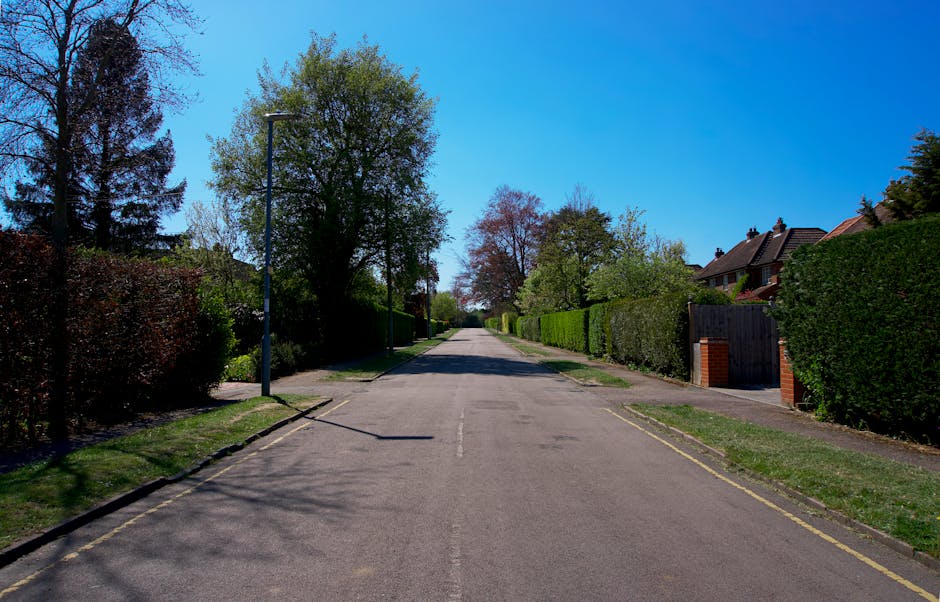
Moving house in Arnos Grove can feel straightforward on paper, then suddenly the street narrows, a car is parked awkwardly opposite a garden wall, and you realise the van has about three sensible inches to spare. That is exactly why Arnos Grove Removals: Access Tips for Narrow Streets matters. The move itself is only half the job; getting the vehicle, crew, boxes, and furniture in and out safely is where a lot of time is won or lost.
This guide breaks down how access planning works in real life, what to look out for on tight roads, and how to avoid the usual headaches that come with terraced streets, parked cars, turning restrictions, and limited loading space. If you want a calmer move and fewer surprises on the day, you are in the right place.
Practical summary: narrow-street removals are mostly about planning, communication, and choosing the right vehicle size. The smoother the access, the less risk to your furniture, your neighbours, and your nerves. Simple really. Not easy, but simple.
Why Arnos Grove Removals: Access Tips for Narrow Streets Matters
Arnos Grove has plenty of streets where access is less about convenience and more about careful judgement. Some roads are lined with parked cars. Some have tight bends, tree branches, low walls, or a pinch point right where you need to turn. And when you are moving a sofa, wardrobe, mattress, or box full of awkwardly stacked kitchen things, even a small obstacle can turn into a longer carry than you expected.
That matters for a few practical reasons. First, longer carry distances usually mean more time, more handling, and more fatigue. Second, awkward access increases the chance of knocks, scrapes, or delay. Third, if the van cannot park close enough, the whole schedule can slip a bit. Not always dramatically, but enough to make a move feel chaotic.
There is also the neighbour factor. Narrow streets tend to be shared spaces, and a blocked entrance or a badly placed vehicle can create friction very quickly. In our experience, a polite, well-organised arrival tends to prevent half the awkward conversations before they start. Who wants to begin moving day by explaining a van is half blocking the road at 8am?
For local moves, access is often the quiet detail that decides whether the day feels controlled or messy. A good removals plan in Arnos Grove should account for the street itself, not just the property.
How Arnos Grove Removals: Access Tips for Narrow Streets Works
Good access planning starts before moving day. Usually, the process looks like this: the mover reviews the property details, asks about the road layout, checks what the vehicle can realistically reach, and decides whether the team needs extra time, smaller vehicles, or a more careful loading arrangement. It sounds basic, but the difference between a smooth arrival and a stressful one is often in those details.
A professional approach normally considers five things:
- Street width and whether a removal van can park safely without blocking traffic.
- Turning space, especially if the road has sharp corners or a dead end.
- Carriage distance from the van to the front door.
- Obstructions such as bins, low branches, bollards, and parked cars.
- Timing, because traffic, school runs, or local parking pressure can change access by the hour.
Sometimes the answer is simple: a standard removal van can get close enough, and the crew can load normally. Other times, the safer option is to use a smaller van, split the load into more than one run, or stage items at the front door before transfer. There is no single perfect method. The right choice depends on the road, the property, and the volume of belongings.
If your move includes a mix of home items and commercial gear, it can also help to compare the approach with broader office removals or commercial moves planning, because access challenges often multiply when furniture is bulky or equipment is fragile. Different move, same street problem.
Key Benefits and Practical Advantages
Planning for narrow-street access is not just about avoiding trouble. It has real benefits that show up in time, safety, and peace of mind.
Faster loading and unloading
The closer the van can park, the less distance the crew has to carry items. That is especially helpful with heavy furniture, boxes of books, or anything awkward like mirrors and flat-pack pieces. Less walking often means a cleaner, quicker move.
Lower risk of damage
Tight roads can create tight corners, and tight corners are where chips and scratches happen. Careful access planning reduces the temptation to force a route that is technically possible but not wise. You know the sort of thing: just because a wardrobe can be angled through a gap does not mean it should be.
Better use of labour
If the crew knows they will need to carry items a longer distance, they can plan staffing and timing properly. That prevents rushed lifting and keeps the job more organised.
Less disruption to neighbours
Good access management helps avoid blocked drives, frustrated drivers, and unnecessary noise. That matters more in dense residential streets than many people expect.
More accurate quotes and expectations
When access is discussed early, pricing and scheduling tend to be more realistic. That is valuable because a move should feel predictable, not like a guessing game. If you are comparing prices or preparing your budget, a page like pricing and quotes is a sensible starting point.
Who This Is For and When It Makes Sense
This kind of access planning is useful for almost anyone moving in or around Arnos Grove, but it is especially relevant if you are in a terraced house, a flat on a narrow residential road, or a property with limited on-street parking. It also makes sense if you have a lot of furniture, a long staircase, or only a small window for loading.
You will benefit most if any of these sound familiar:
- Your street regularly has parked cars on both sides.
- The van cannot sit directly outside your front door.
- You live on a bend, cul-de-sac, or road with a tight entrance.
- Your building has shared access, a narrow forecourt, or a difficult footpath.
- You are moving on a weekday morning when traffic is busy.
- You are not quite sure how the larger items will get out without some planning.
It is also a good idea for landlords, tenants, and small businesses. A cafe, studio, or office move can look fine on a spreadsheet, then become awkward when a delivery bay is not available or the vehicle is too large for the approach road. For those jobs, a more general man and van service or a tailored removal services approach may be the better fit.
If you are unsure whether your move is simple or fiddly, the answer is usually: a bit fiddly. That is not a problem. It just means the plan needs to be a little sharper.
Step-by-Step Guidance
Here is a practical way to handle narrow-street removals in Arnos Grove without making the day harder than it needs to be.
1. Walk the route from door to van
Start with the real path items will take. Do not just look at the front of the house and assume the rest will be fine. Check steps, garden gates, kerbs, slopes, and any pinch points between the property and the likely parking spot.
2. Measure the large items
Measure sofas, mattresses, wardrobes, and anything that might need to be turned on its side. You do not need a full engineering survey, but rough dimensions help spot problems before move day. A sofa that fits indoors can still be awkward outside if the turn is tight.
3. Check the parking reality
Ask yourself where a van can safely stop. Is there room for loading? Can the driver see around bends? Are there local restrictions or resident-only bays that may affect access? If the answer is unclear, plan conservatively.
4. Decide whether a smaller vehicle is better
In narrow streets, a smaller van is often more practical than a large one. It may take an extra trip, but that can still be faster overall if it avoids shuffling, reversing, or waiting for a gap in traffic.
5. Pack in loading order
Keep the items you will need last near the front of the property, and heavier or bulkier items ready to go first. That helps prevent bottlenecks in hallways and makes the carry-out more efficient.
6. Protect entry points
Door frames, walls, banisters, and corners take a surprising amount of wear during a move. Use blankets, protectors, and careful handling where needed. If the access is tight, this step matters more than people think.
7. Build in a little time buffer
Narrow roads can be unpredictable. A car may be parked where you did not expect, or a delivery van may arrive at the wrong moment. A realistic time buffer keeps the move from feeling rushed.
One small, human detail here: people often underestimate the doorway. It is not the van that causes the wobble, it is the final turn through the hall when the item is already awkward. That is where calm hands matter.
Expert Tips for Better Results
After enough moves, a few patterns become obvious. The following tips are the ones that usually save the most time and stress.
- Share photos in advance. A quick photo of the street, entrance, and parking area can be more useful than a long description.
- Plan for the biggest item first. If the sofa or wardrobe is the hardest thing to move, let that determine the vehicle and route.
- Avoid peak congestion where possible. Early mornings can be easier, but not always. Local traffic patterns matter more than people assume.
- Use clear labelling. Boxes marked by room reduce time spent sorting once items reach the van.
- Keep hallways clear. A cluttered corridor slows everything down, especially in a narrow property.
- Think about neighbours. A brief heads-up can smooth over temporary parking or noise concerns. It is a small thing, but a useful one.
- Match the service to the job. A small flat with limited access may need a flexible man with van style solution, while a larger family move may work better with a bigger vehicle and a broader house removals plan.
To be fair, not every move needs a full whiteboard strategy. But the better the access is understood, the less chance you have of spending the morning saying, "Right... let's try that again."
Common Mistakes to Avoid
Most access problems are avoidable. The mistake is usually not the road itself; it is the assumption that the road will somehow sort itself out.
Assuming a large van will always be better
A bigger vehicle is not automatically more efficient in a narrow street. If it cannot park close enough or cannot manoeuvre safely, it may actually slow the job down.
Forgetting about on-street parking pressure
In busy parts of London, available space can disappear quickly. If the road tends to fill up after school drop-off or during commuter hours, that matters.
Not checking the path from pavement to front door
Even a short carry can become awkward if there are steps, a steep slope, or a narrow gate. It is the little things, really.
Packing fragile items without considering the route
If your route has tight turns or a long carry, loose packing becomes more risky. Secure items properly and use enough protective wrapping.
Leaving access questions until moving day
By then, it is too late to change the vehicle or revise the timing without stress. Better to ask awkward questions early than practical ones too late.
Ignoring building rules or shared-space expectations
Some blocks and managed properties have specific loading arrangements. Check those details early rather than hoping no one notices. They usually do.
Tools, Resources and Recommendations
You do not need specialist equipment for every move, but the right tools can make tight access much easier.
- Measuring tape: useful for checking doorways, furniture, and tight gaps.
- Furniture blankets: help protect corners and surfaces during awkward carries.
- Straps and trolleys: make heavier items easier to manage, especially if the carry is longer than expected.
- Labels and marker pens: keep boxes organised, which matters more when loading has to happen quickly.
- Phone photos and video: a quick visual of the street and access route can help your mover judge the situation properly.
In practical terms, a good moving plan often combines the right vehicle with sensible packing support. If you are short on time, packing and unpacking services can reduce delays and make the loading area easier to manage. That is especially helpful if you are working around stairs, tight hallways, or a narrow front path.
If the move includes bulky items that need temporary collection or redistribution, a page like furniture pick up may also be relevant. Sometimes the best move is not one big push, but a smarter sequence of smaller ones.
Law, Compliance, Standards, or Best Practice
Narrow-street removals are not usually about one dramatic legal rule. They are more often about common-sense compliance, safe working, and respect for local conditions. That said, the basics still matter.
In the UK, movers should work with reasonable care around vehicles, pedestrians, property, and loading areas. That means using safe lifting practices, not obstructing access unnecessarily, and handling items in a way that reduces the risk of injury or damage. If parking restrictions apply, they need to be observed. If a property has specific access rules, those should be followed too.
Best practice usually includes:
- clear communication before the move
- accurate information about access restrictions
- careful vehicle positioning
- safe manual handling and loading methods
- appropriate insurance and protection for goods in transit, where offered
If safety documentation matters to you, it is sensible to review a mover's insurance and safety information, along with any wider health and safety policy. That is not just box-ticking. It tells you how seriously the company treats tricky access, which is often where mishaps happen.
Also, if you want reassurance on how your details and payment information are handled during booking, pages like payment and security and privacy policy are worth checking. Small trust signals, yes, but they matter.
Options, Methods, or Comparison Table
There is more than one way to handle a narrow-street move. The best choice depends on how tight the access really is, how much you are moving, and how much time you have.
| Method | Best for | Pros | Trade-offs |
|---|---|---|---|
| Large removal van | Open roads, bigger house moves | Fewer trips, efficient for volume | May struggle to park or turn in tight streets |
| Smaller van | Narrow roads, limited access | Easier manoeuvring, less street obstruction | May require more than one run |
| Man and van service | Smaller or flexible moves | Adaptable, often practical for urban streets | Not always ideal for very large household loads |
| Full house removals team | Whole-home relocation with planning needs | Better for large volumes and complex logistics | Needs accurate access details in advance |
If you are not sure which option suits your move, compare the access challenges first, then the volume. People often do the reverse. It sounds harmless, but it can lead to choosing a truck that is too much for the street. A slightly smaller vehicle can be the smarter answer.
For broader local searches, a general man with van removal solution can suit smaller, tighter moves, while house movers may be a better fit for larger family relocations where planning and loading order matter more.
Case Study or Real-World Example
Picture a typical Arnos Grove street: terraced homes, parked cars on one side, and just enough room for a van if nobody arrives at the wrong time. A couple moving from a first-floor flat had a sofa bed, a mattress, boxed kitchenware, and several plants that, frankly, were not going to enjoy a bumpy ride.
Instead of trying to force a big vehicle directly outside the property, the team planned for a smaller van and a short carry distance from a sensible parking point a little further along the road. The couple cleared the hallway the night before, measured the sofa bed in advance, and kept the fragile boxes together. Simple enough on paper, but it made the actual day much calmer.
The result? Less waiting, fewer awkward turns, and no need to keep re-parking while traffic built up behind them. The sofa came out without a scrape, the plants survived, and the move did not become the sort of story people tell for the wrong reasons.
That is the real lesson: narrow-street removals are rarely about perfection. They are about removing avoidable friction. When that happens, the day feels more human, less frantic.
Practical Checklist
Use this checklist before moving day if your Arnos Grove street is tight or awkward.
- Confirm the likely van size is suitable for the road.
- Measure large furniture and note any awkward items.
- Check parking restrictions and likely loading space.
- Walk the route from front door to vehicle.
- Clear halls, stairs, and doorways.
- Protect corners, floors, and vulnerable furniture edges.
- Label boxes by room and priority.
- Tell neighbours if access may briefly be affected.
- Keep valuables, documents, and essentials separate.
- Build in a little extra time for parking or traffic issues.
- Review insurance, safety, and booking details before the day.
- Have a backup plan if the street is fully occupied on arrival.
Quick tip: if you can answer the question "Where will the van actually sit?" clearly, you are already ahead of most moving-day problems.
Conclusion
Arnos Grove removals in narrow streets are all about matching the move to the environment. The street matters. The vehicle matters. The parking plan matters. And the best results usually come from simple preparation, honest communication, and a bit of local realism.
That does not mean the move has to feel complicated. Quite the opposite. Once you know where the pinch points are, you can work around them calmly and avoid last-minute drama. To be fair, that calm is worth a lot on moving day.
If your property access is tight, take the time to plan it properly, choose the right service, and keep the load organised. A good move in a narrow street is rarely flashy. It just flows. And that is exactly what you want.
Get a free quote today and see how much you can save.
Frequently Asked Questions
What should I check first for a narrow-street move in Arnos Grove?
Start with the parking space, turning room, and the walking route from your front door to the van. Those three things usually determine whether the move will be easy, workable, or a bit awkward.
Is a smaller van always better for narrow streets?
Not always. A smaller van is often easier to position, but if you have a large load it may mean more trips. The best choice depends on both access and the amount you are moving.
How far in advance should I tell the removals team about access issues?
As early as possible. Ideally, mention it when you first request a quote or booking. Early notice gives the team time to plan the right vehicle, timing, and loading method.
Can a removals company help if parking outside my house is impossible?
Yes, usually. They can often plan a nearby loading point, use a smaller vehicle, or arrange a more practical carry route. The key is to describe the street clearly before move day.
Do I need to measure my furniture before the move?
It is a very good idea, especially for sofas, wardrobes, beds, and large tables. Measurements help identify awkward turns and reduce the chance of problems at the doorway.
What happens if another car blocks access on the day?
The crew will normally have to adapt, which may mean waiting, repositioning, or using a different loading point. This is why a buffer of time is useful in narrow residential streets.
Are narrow-street removals more expensive?
They can be, depending on the extra time, vehicle choice, or labour required. It is best to treat access as part of the quoting process rather than assuming all moves cost the same.
How can I make the loading process faster?
Clear corridors, label boxes, group items by room, and keep the path to the exit free. The smoother the inside route, the less time the crew spends waiting or weaving around clutter.
Should I speak to my neighbours before moving day?
If the street is very tight or parking will be affected, a quick heads-up is considerate and often helpful. It can reduce friction and make the day feel less tense for everyone.
What if my property has stairs and a narrow hallway too?
Then access planning becomes even more important. Measure the tight points, protect the walls and banisters, and make sure the largest items are checked in advance. Stairs are where small problems become annoying ones.
Is man and van enough for a flat move in Arnos Grove?
Often, yes, especially for smaller or moderate-sized moves with tight access. If the job is larger or includes many bulky items, a fuller removals setup may be more efficient.
What is the main mistake people make with narrow streets?
Assuming the van can simply turn up and everything will work out. Usually, the best outcomes come from treating access as part of the move, not a minor detail after the fact.
And really, that is the whole point: a narrow street does not have to mean a difficult move. It just means the plan needs a little more care, and a little less guesswork.